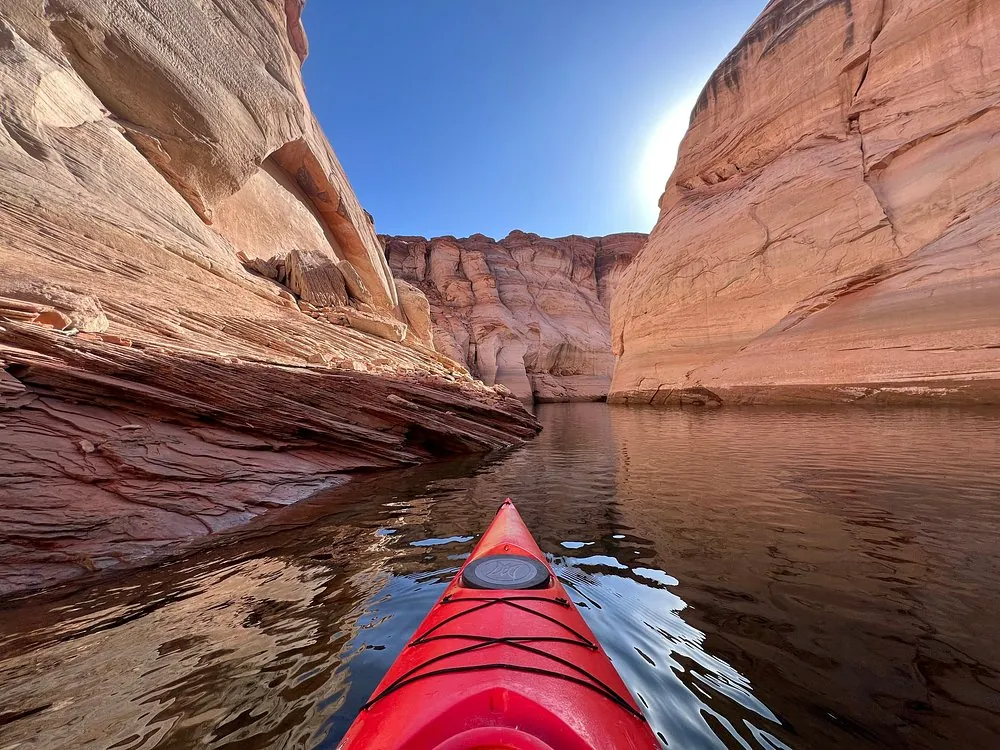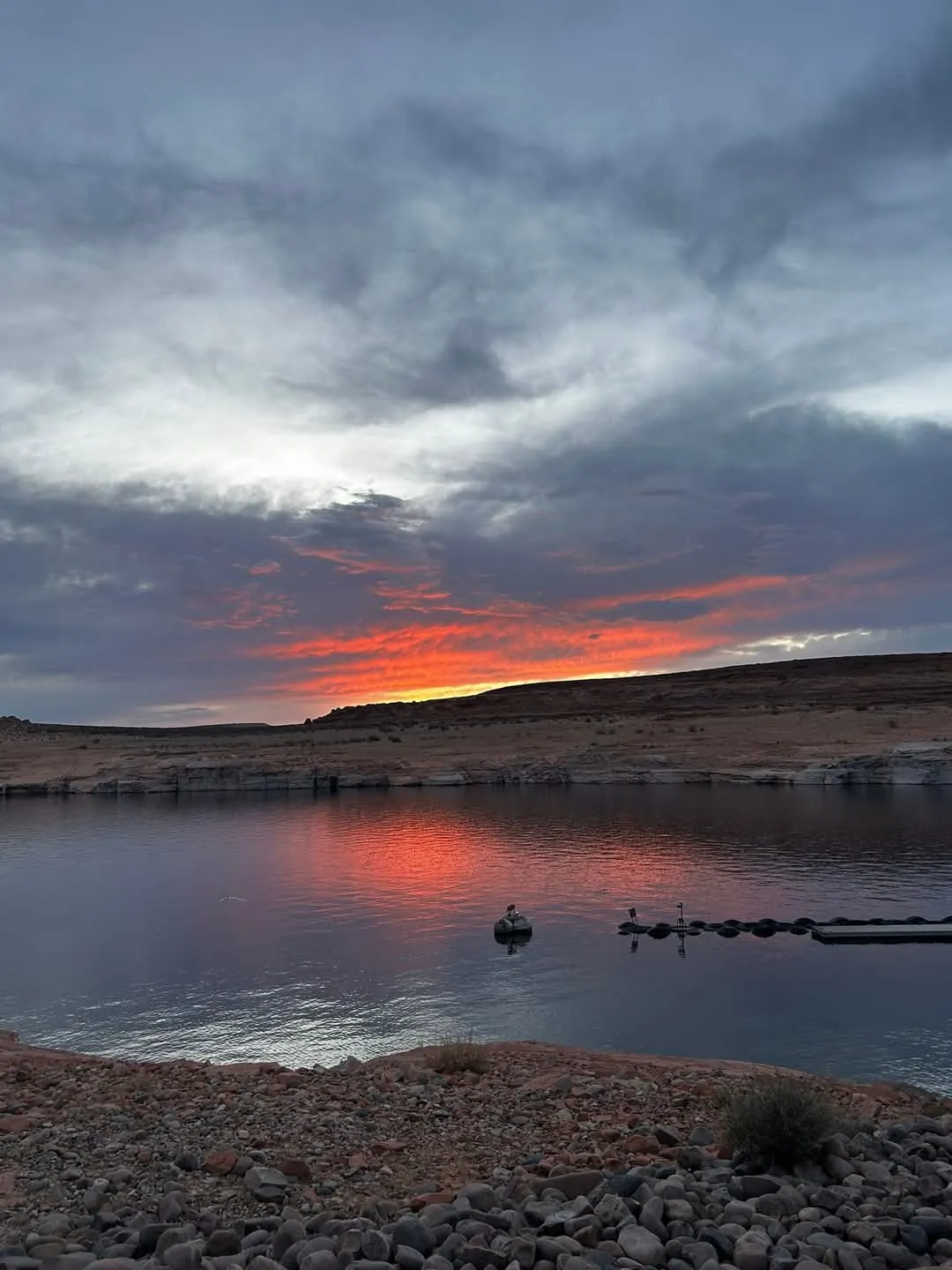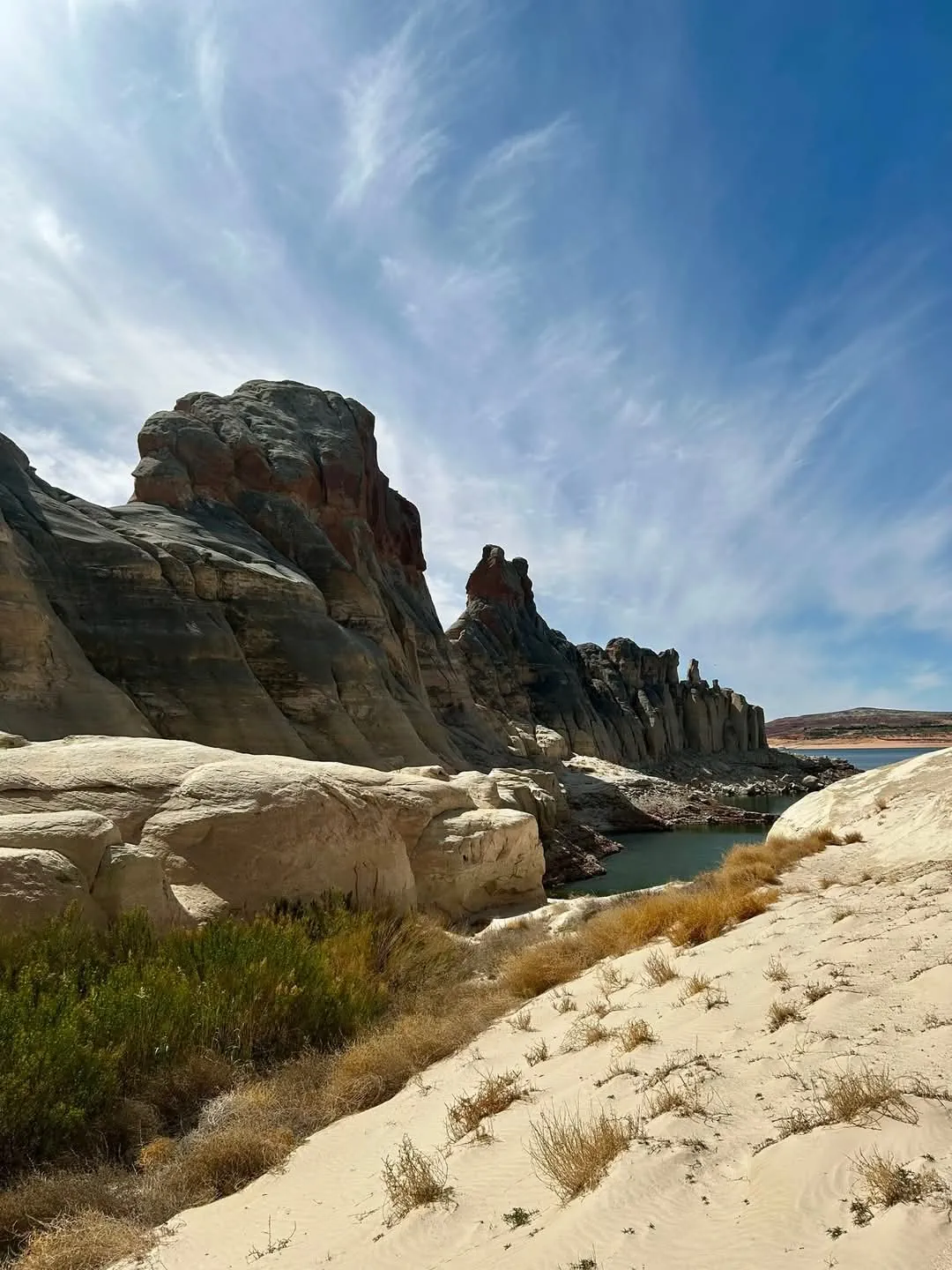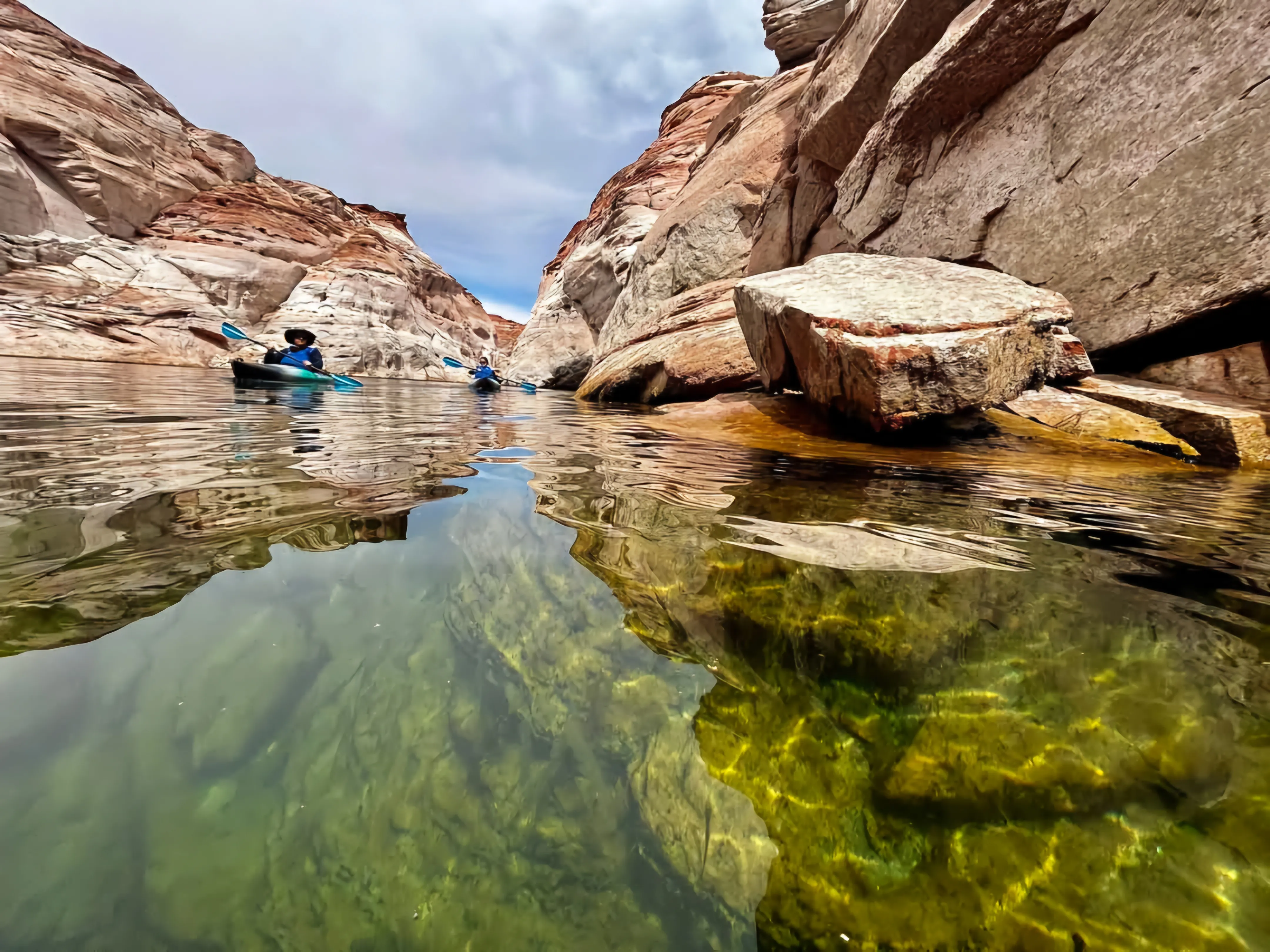
Lake Powell in November is not a summer rerun with fewer people. The light is lower, mornings can feel sharply cool before the sun reaches the water and the right day has a slower, more deliberate rhythm. For travelers who would rather trade peak-season heat for quiet coves and room to look around, that can be a very good deal.
It is also a month that asks visitors to plan for the conditions they actually have, not the vacation photo they hope to bring home. A clear afternoon can feel comfortable in the sun, then noticeably colder once a breeze comes up or a canyon wall puts the group in shade. Shorter days leave less room for a late start. Lake level and launch conditions can still shape how much walking, carrying and route adjustment the day requires.
None of that makes November a poor time to kayak Lake Powell. It makes it a good time to choose the right kind of outing. A prepared group can have a calm, memorable day on the water. The key is to match the route, clothing and pace to the people in the kayaks, then leave a little margin for the weather to be itself.
What November Feels Like at Lake Powell
November belongs to the shoulder season at Lake Powell. The National Park Service describes fall in Glen Canyon as usually nice and mild, but the seasonal shift becomes more noticeable as the month moves along. The air can feel comfortable by midday while the launch, a shaded stop or the ride back feels much cooler. This is not the month to dress only for the warmest hour of the day.
For many visitors, the quieter pace is the appeal. The lake can feel less rushed, and a small group has more room to take in the cliffs, reflections and canyon walls without building the day around avoiding intense summer heat. Photographers, couples and families who prefer a gentler itinerary often appreciate that change. A shorter paddle with time to stop is not a compromise when the landscape is the point.
November also makes the basic timing of a trip more important. Daylight is shorter, so decide on a realistic turnaround point before launching. An ambitious route that would be manageable at 7 p.m. in June can feel very different when the temperature drops and the light is fading in late afternoon. Start with the day you want to finish, then work backward to the launch time.
Check the Weather for the Water, Not Just Page
A Page forecast is useful, but it does not tell the whole story of a paddle. Lake conditions are shaped by wind, exposure, cold air near the water and the difference between an open crossing and a protected canyon. Before an independent outing, check the National Weather Service’s Lake Powell marine forecast as well as the general weather. It gives a more useful picture of what the group may feel once the kayaks leave shore.
Look at the forecast twice: the evening before and again on the morning of the trip. Pay attention to wind, not only the high temperature. A mild number on an app can sound easy, but a persistent breeze on open water can slow a group down, create chop and make a cool return feel much colder. A forecast is a planning tool, not a promise, so keep your route conservative enough to change it.
A good November plan gives the group a clear decision point. If the water is calm and everyone feels good, continue with the planned route. If the wind is building or the group is already working harder than expected, turn back while it is still a simple choice. That is how experienced paddlers keep a change in conditions from becoming a problem.
Water Temperature Changes the Clothing Plan
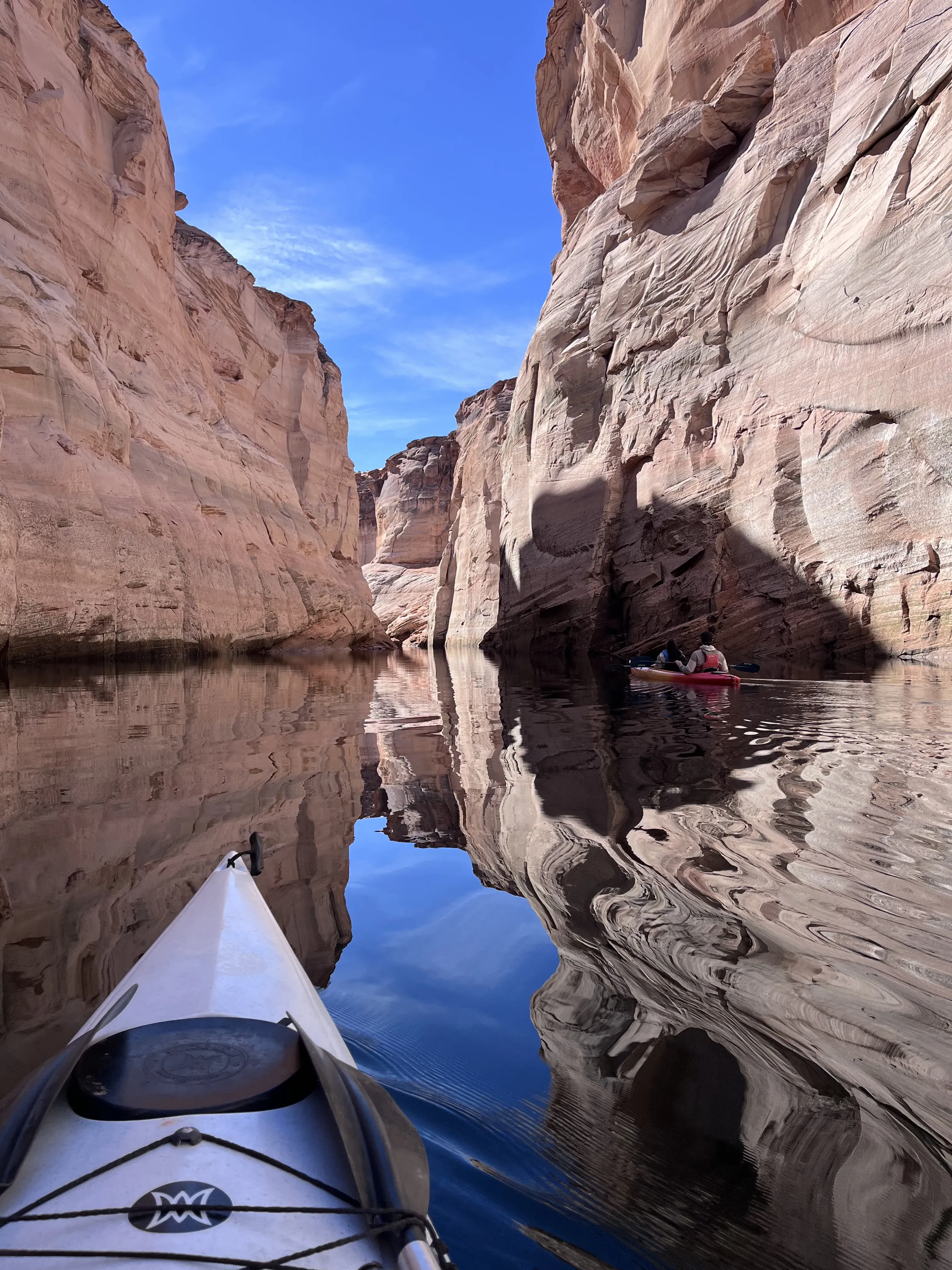
In November, dress for the possibility of splash and a cool breeze, not just for standing in the sun at the ramp. Water temperature can vary with location, depth and recent weather, and it is often far less forgiving than the air. The National Park Service advises paddlers to use life jackets and prepare for changing conditions, especially when the weather is colder or windier.
Start with quick-dry layers that let you paddle comfortably. A sun shirt or base layer, warm mid-layer and wind-resistant outer layer give you options without making movement stiff. Add secure water-friendly shoes, a hat, sunglasses with a retainer and a dry bag for anything you do not want wet. Keep the warm layer accessible instead of packing it below every snack and phone charger.
Cotton is a poor choice for a November paddle because it stays damp and stops helping once it is wet. If the forecast is cool, pack a dry shirt or insulating layer for after the water. Our Lake Powell water temperature guide explains why the number on a report matters less than the full picture: air temperature, wind, splash, time on the water and the group’s ability to get warm again.
Choose a Route That Leaves Room to Turn Around
November is a strong month for a route with built-in flexibility. The best choice may be a protected stretch of water, a clear shoreline stop and enough time to return before the afternoon gets colder. A dramatic destination does not make up for a long, exposed return that leaves the least experienced person in the group tired or chilled.
Independent paddlers should keep close to shore when practical, stay together in open areas and watch for changing wind and boat traffic. The National Park Service’s Lake Powell kayaking guidance is a useful reminder that the lake is large, conditions can change quickly and the right route is the one your group can manage comfortably that day.
If low water or a changing launch means more walking than expected, let that information reshape the plan. A longer carry, exposed shoreline or unfamiliar access point may be enough reason to pick an easier route or book a guided day instead. Our Lake Powell low-water guide can help set expectations for how current conditions affect access without making the experience any less worthwhile.
Pack a November Dry Bag on Purpose
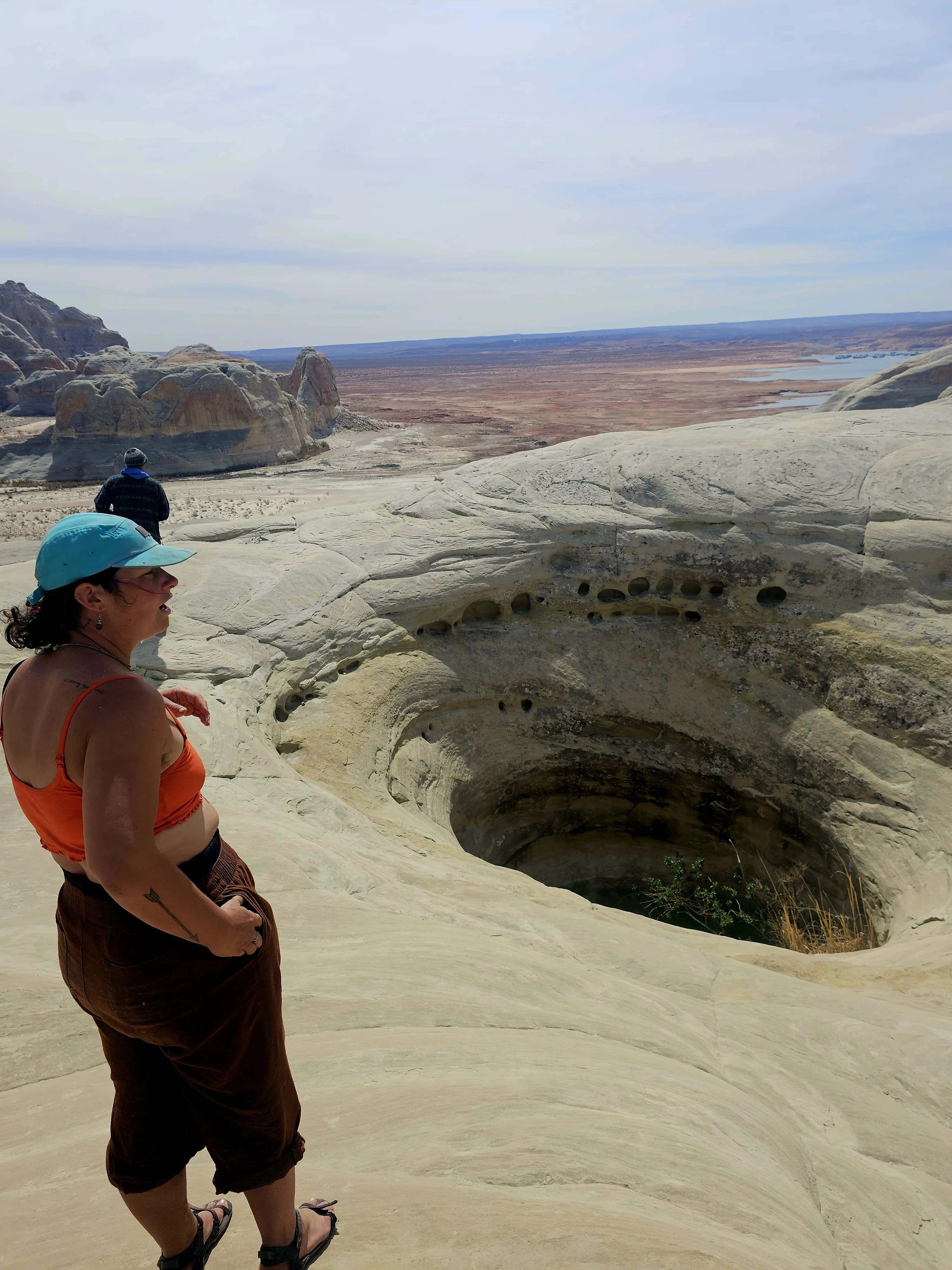
A November dry bag should solve the problems you can predict. Bring water, a snack, a light insulating layer, a wind layer, sunscreen, lip balm, a small first-aid kit and any medication your group needs. Add a fully charged phone in waterproof protection and make sure someone off the water knows your intended route and return time.
Avoid treating the dry bag like a closet. The point is to keep essential items accessible and dry, not to bring every piece of clothing you own. Lay out the warm layer at the top, organize small items in a pouch and leave room for a damp outer layer if the weather changes. The simpler the setup, the easier it is to use when the group is cold or ready to move.
The details of what you wear matter as much as what you pack. For a complete clothing checklist, see our guide to what to wear kayaking at Lake Powell. It covers the layers, footwear and sun protection that still matter long after the summer heat has eased.
Which November Paddle Fits Your Group?
The right Lake Powell day depends on more than the month. Ask how comfortable everyone is in a kayak, whether the group wants a canyon walk, how much time you have and whether the goal is relaxed scenery or a physical challenge. A November itinerary should be chosen for the least confident member of the group, not the most ambitious one.
The Antelope Canyon kayak and hike is a strong choice for travelers who want a guided, half-day mix of paddling and sandstone walking. It keeps the day focused and gives visitors a clear plan without having to interpret the lake, route and turnaround point on their own. For small groups wanting a more relaxed private outing, Seven Wonders of Glen Canyon is the easier choice, with time to notice the shoreline and the route’s natural details.
The Monkey Wrench Route is better for groups who genuinely want a more active paddle and are comfortable earning their miles. Cooler weather does not automatically make a longer route easier. It simply changes what the group needs to manage. Compare the full Lake Powell kayak tours lineup before booking so the experience fits the people joining you, not just the calendar.
Guided Trips Make November Simpler
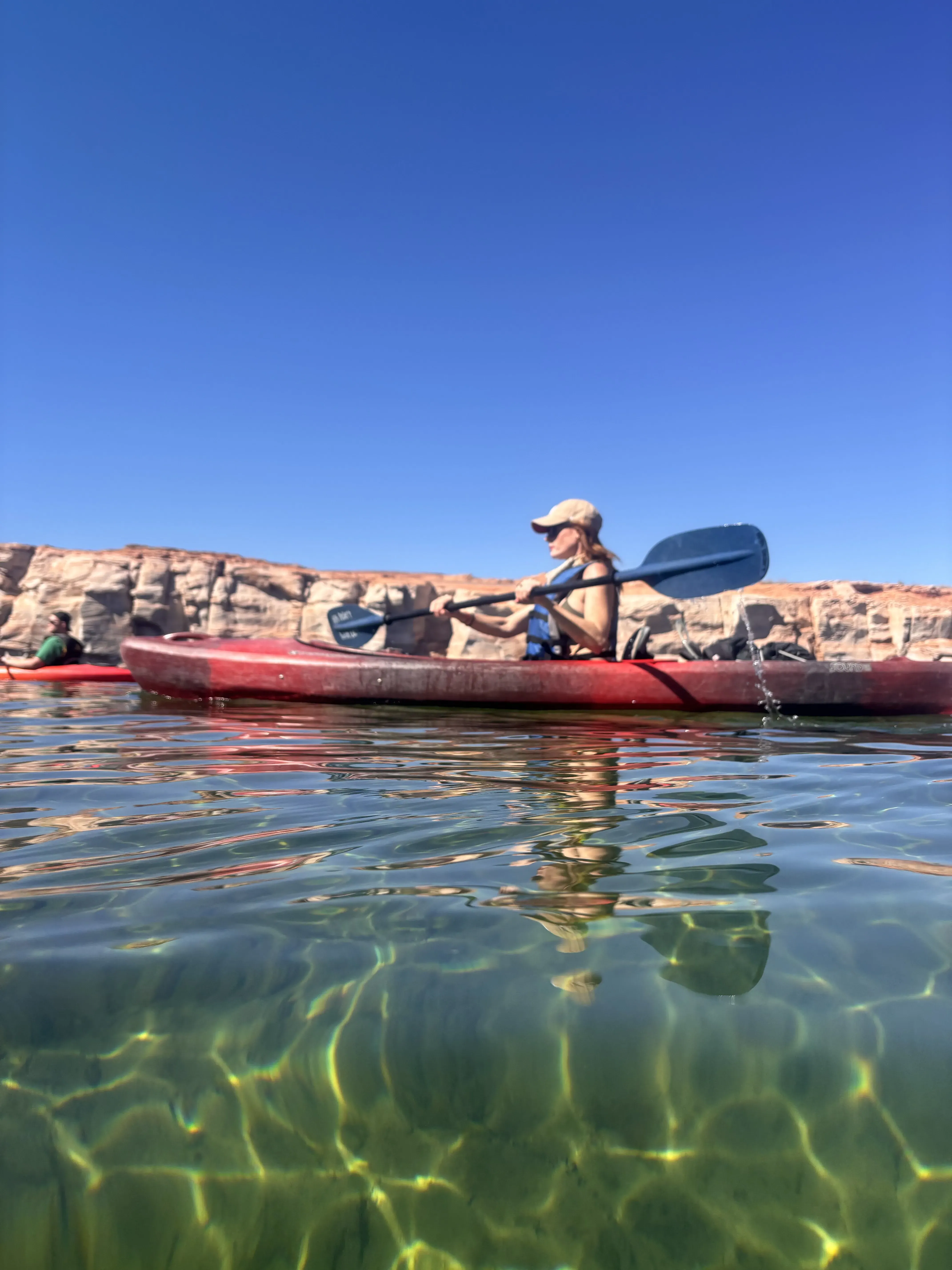
A guided November outing can be especially useful for travelers who want the water and canyon without taking on every decision that conditions create. Instead of sorting out launch logistics, equipment, current access and route changes during a short vacation, guests can arrive ready for a clear briefing and a day scaled to the group.
High Desert Paddle Co. provides the kayak, paddle, life jacket, dry bag and the practical guidance that helps the group begin comfortably. The real value is not adding more activity to the day. It is keeping the day focused on the parts that are hard to recreate from a parking lot: quiet water, canyon light and time to move at a human pace.
November visitors who are still deciding whether they want a guided day or an independent plan can use the Lake Powell kayaking guide to compare the practical tradeoffs. Travelers coming to Page for the classic paddle-and-hike combination can also read about kayaking Antelope Canyon before choosing their date.
A Simple November Lake Powell Plan
The evening before, check the marine forecast, confirm the meeting time or launch plan and set out your layers. Eat before you arrive, fill your water bottle and charge the phone you are taking on the water. Start earlier when you can, especially if your group wants time for a shoreline stop or a guided walk.
At the launch, take a minute to notice what the day is actually doing. Is the water calm? Does everyone have the right layers handy? Is the group moving comfortably in the kayaks? Those early answers are more valuable than a fixed itinerary. A good Lake Powell day becomes easier when the first hour feels calm and organized.
On the return, stop before the group is depleted, not after. Put on the dry layer as soon as you are off the water, have a snack and leave enough time to get back to Page without rushing. That little margin is what makes a November outing feel crisp and memorable rather than colder than anyone expected.
How High Desert Paddle Co. Helps You Plan a Better November Day
High Desert Paddle Co. helps travelers choose the Lake Powell experience that fits the day in front of them. We bring the core gear, guide the route and give groups a practical start so first-time paddlers and returning adventurers can focus on the landscape rather than guessing through every detail.
For November, that local judgment matters. A classic Antelope Canyon paddle-and-hike day, a quieter Seven Wonders outing or a more active Monkey Wrench route can each be the right choice for the right group. The goal is a Lake Powell day that feels considered from the first paddle stroke to the warm layer waiting at the end.
Frequently asked questions
Is November a good time to visit Lake Powell?+
November can be a good time to visit Lake Powell for travelers who enjoy quieter conditions, cooler temperatures and a slower pace. Check the current forecast, wind and access information close to your trip because the experience changes quickly with weather and lake conditions.
Can you kayak Lake Powell in November?+
Yes. November can be a rewarding month for a Lake Powell kayak day when the route, weather and group fit are right. Dress in quick-dry layers, bring a wind layer and choose a conservative turnaround point so the group stays comfortable.
What should I wear kayaking at Lake Powell in November?+
Wear quick-dry layers, secure water-friendly shoes, sun protection and a life jacket that fits properly. Pack a warm mid-layer and wind-resistant outer layer in an easy-to-reach dry bag, plus a dry shirt for after the paddle.
Is Lake Powell cold in November?+
The air can be comfortable in the sun while the water, wind and shade feel much colder. Conditions vary by day and route, so check a current weather and water report before your trip and prepare for splash or a cool return.
Which Lake Powell kayak tour is best in November?+
The Antelope Canyon kayak and hike is a strong fit for visitors who want paddling and a guided canyon walk. Seven Wonders is the easier private option, while Monkey Wrench is better for groups seeking a more active route. The best choice depends on your group and the day’s conditions.