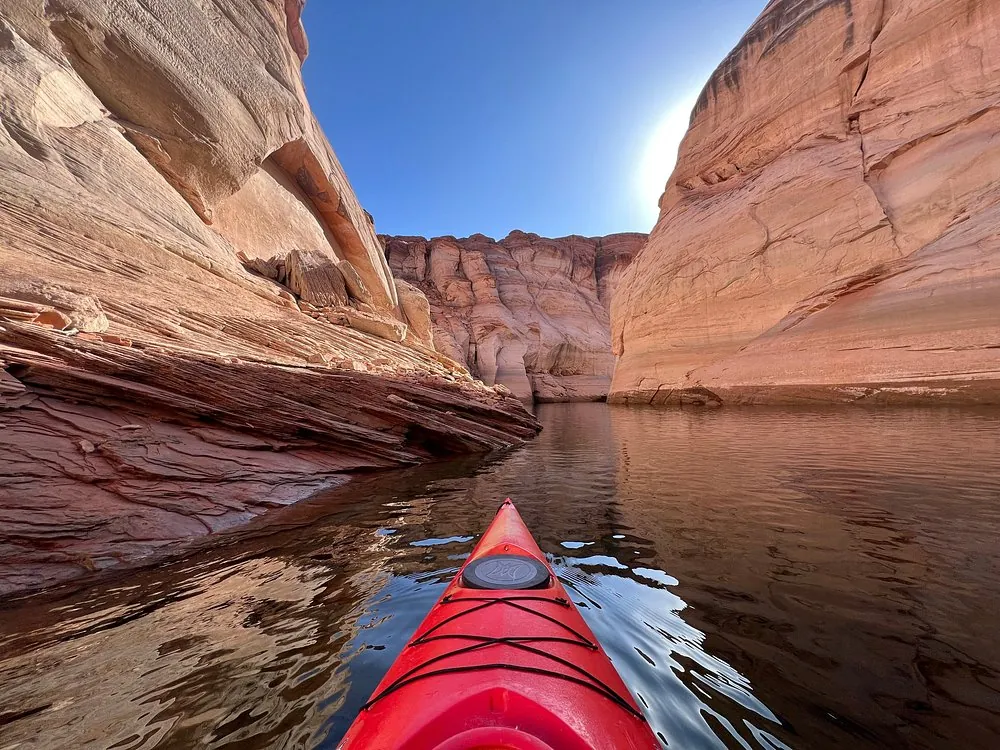
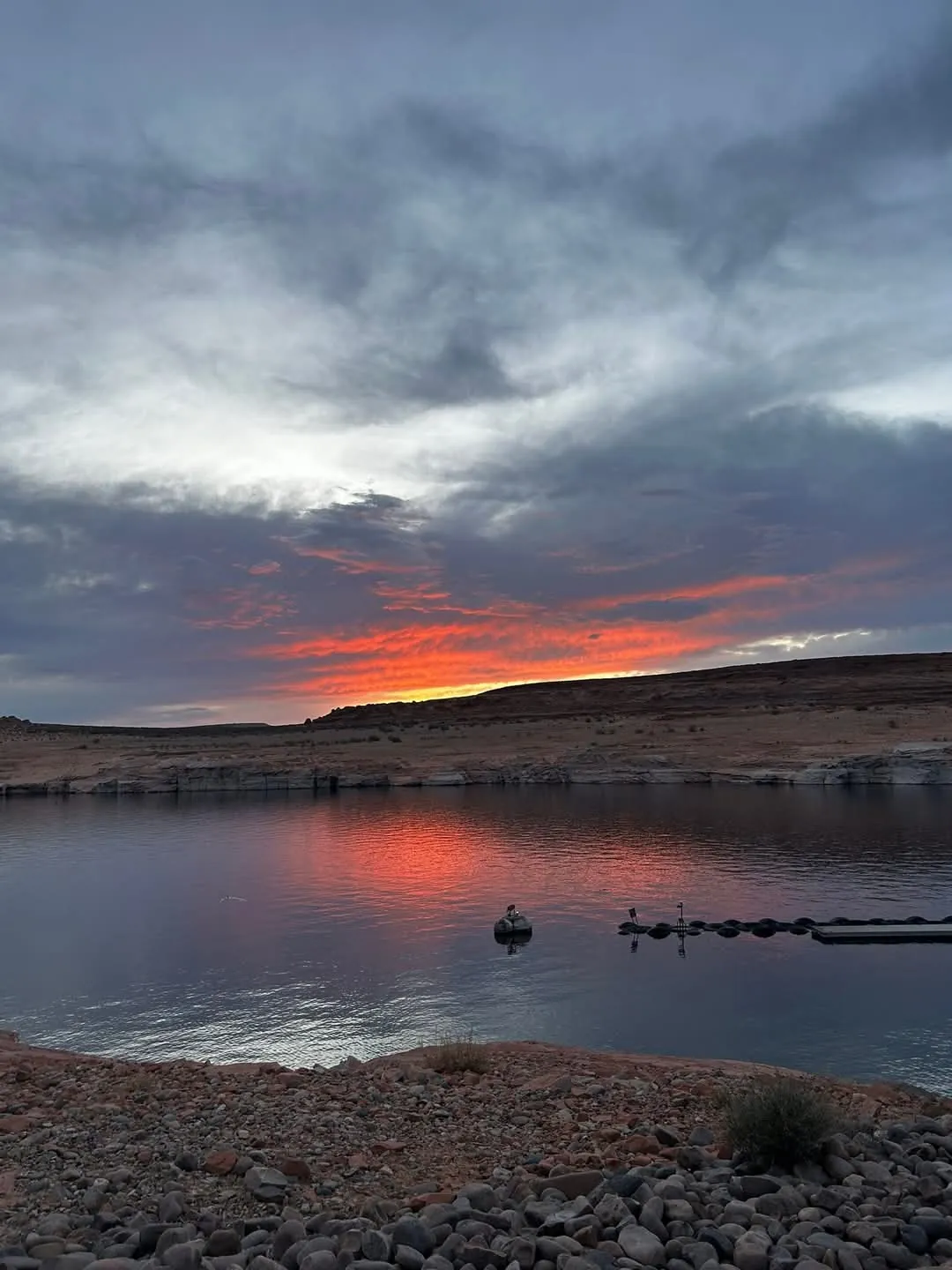
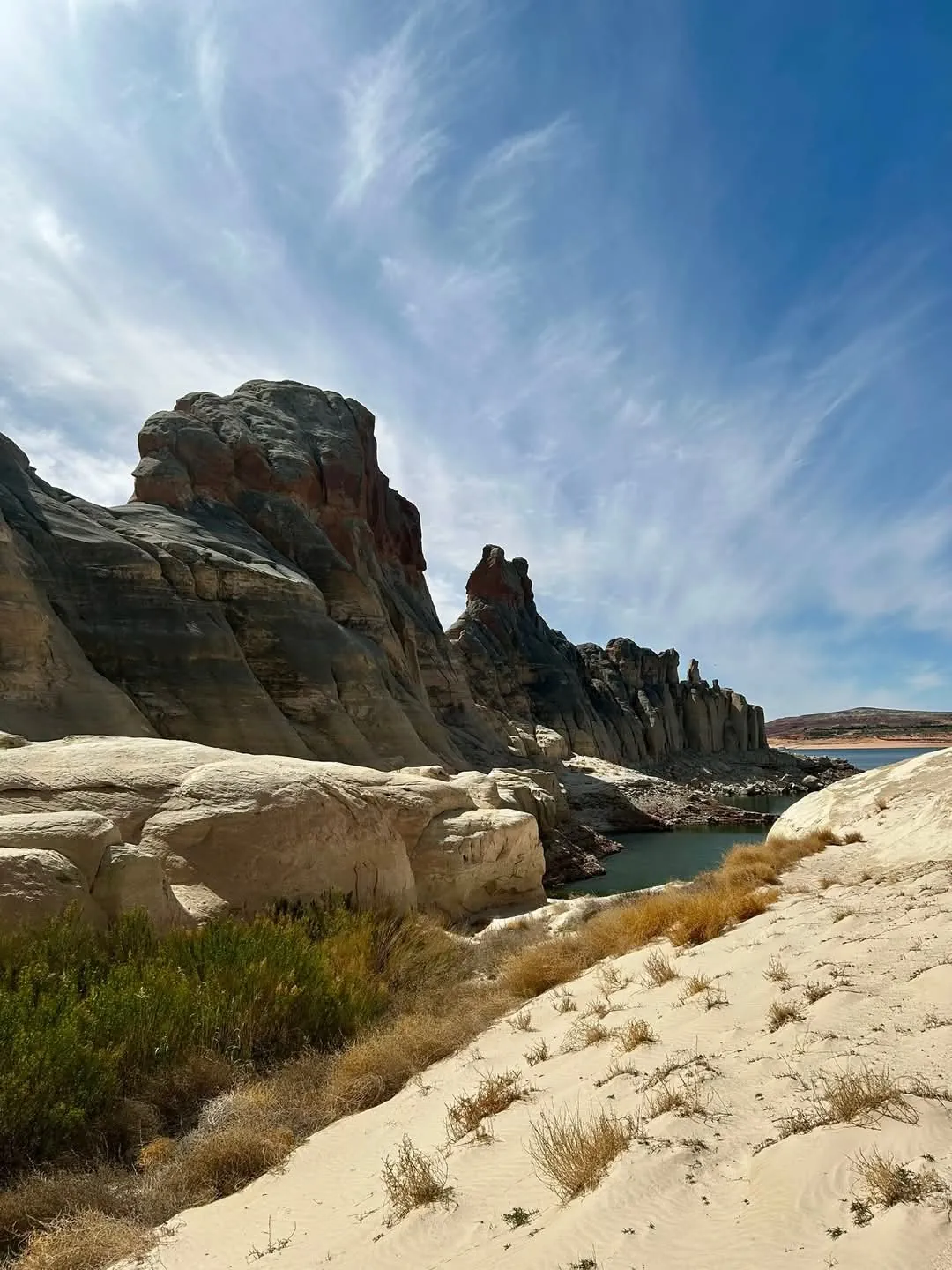
Lake Powell in December is for travelers who would rather have a quiet, considered day than chase summer conditions. The desert can be bright and still, the sandstone can feel almost more dramatic in low winter light and the lake often has a calmer rhythm. It can be beautiful. It is also a real winter outing, with cold mornings, short daylight and water that deserves respect.
That combination is exactly why a December plan needs to be more intentional than a warm-weather paddle. The National Park Service notes that Glen Canyon winters are moderately cold, with nighttime lows often below freezing. A sunny launch can look inviting while a shaded return, a wet sleeve or a building breeze changes how the whole group feels.
December is not the month to force a big route because the calendar says vacation. It is the month to choose a sensible window, carry the right layers and leave plenty of margin. For prepared paddlers and guided groups, that can turn a cold-weather day into one of the most memorable ways to see Lake Powell.
What December Feels Like at Lake Powell
December brings the quietest part of the year to Lake Powell. There is less boat traffic, more room around the shoreline and a crispness that makes the color of the cliffs stand out. The tradeoff is temperature. The National Park Service's Bullfrog averages list a December mean maximum of 60°F and a mean minimum of 17°F, but conditions vary across Glen Canyon and can feel very different at a sunny launch, an exposed crossing and a shaded canyon stop.
Use averages as a reason to prepare, not as a promise about your trip date. A mild afternoon does not erase a freezing morning, and a route that feels comfortable near shore can feel much colder once the wind meets wet clothing. The sun can be strong even when the air is cool, so winter visitors still need water, sunglasses and sun protection alongside their warm layers.
The short day matters too. Build the outing around the light you actually have. A smaller route with a clear turnaround point gives a group time to pause, warm up and return without racing the afternoon. Our November Lake Powell guide is useful for the shoulder-season transition, but December asks for a more winter-focused packing and route decision.
Check the Forecast for the Water
A general Page forecast is only one part of a Lake Powell decision. The lake is large enough for wind, exposure and open-water chop to make a different day than the temperature on a phone suggests. Before an independent outing, check the National Weather Service's Lake Powell marine forecast as well as the general weather. Look at the hours you expect to be on the water, not only the day's high.
Wind deserves as much attention as temperature. The National Park Service warns that high winds can create large waves on Lake Powell and advises visitors to pull over and wait if winds are strong. In December, wind does more than make paddling harder. It can speed heat loss, create a demanding return and turn a pleasant stop into a cold one.
Check the forecast the evening before and again before you leave. Then give the group a simple decision rule: if the water is already choppy, the forecast worsens or anyone is struggling to stay warm, choose a smaller protected route or save the paddle for another day. Good judgment is not missing out. It is what lets the trip remain enjoyable.
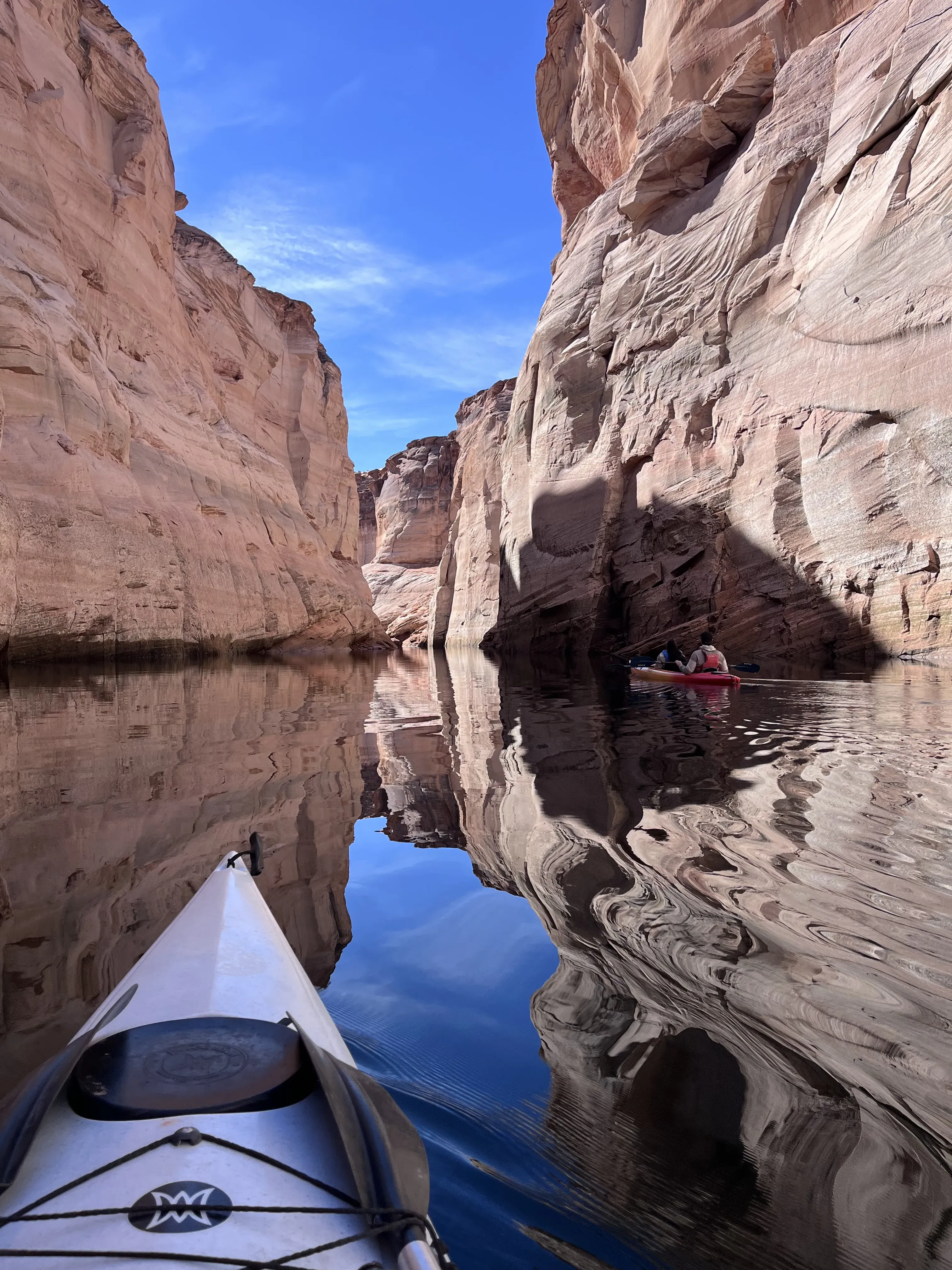
Dress for Cold Water and Changing Conditions
December clothing should be planned around the possibility of splash, wind and time in shade. Begin with quick-dry layers that move with you. Add a warm mid-layer, a wind-resistant outer layer, secure water-friendly footwear and a warm hat for the launch or return. Put a dry layer in a dependable dry bag where you can reach it without unpacking everything else.
Avoid cotton for a winter paddle. It stays wet, loses insulating value and can make a small splash feel much more consequential. A dry synthetic or wool layer, a warm drink waiting in the vehicle and a simple plan to change soon after the paddle are small details that make the whole day more comfortable.
Cold-water risk is not just a winter problem for swimmers. The National Park Service cautions that staying in cold water too long can cause hypothermia. Wear a properly fitted life jacket, keep the route within the group's abilities and be honest about whether independent winter paddling is the right plan for the day. Our Lake Powell water-temperature guide explains why air temperature alone is never enough information.
Choose a Route That Makes the Return Easy
A strong December route is usually shorter, more sheltered and easier to change than a summer wish-list route. Favor an outing with a simple shore stop, a conservative turnaround point and no need to cross a broad open section late in the day. The best destination is not always the farthest one. It is the one that leaves everyone enough energy and warmth for the return.
Independent paddlers should stay together, watch for changing conditions and give motorized traffic plenty of room. The National Park Service's Lake Powell kayaking guidance is a useful reminder that this is a large body of water where conditions can shift. If the day feels harder than expected in the first hour, turn that information into a smaller plan while the decision is still easy.
Lake level can shape the practical side of the route too. A changing shoreline may mean more walking, a different ramp experience or a launch plan that no longer matches an older video. Check current lake-level information close to the trip, wear shoes that can handle wet ramps and sandstone, and read our Lake Powell low-water guide before assuming a familiar access plan will look the same.
The Lake Powell low-water guide is the best next read for travelers who want a clearer picture of how changing access can shape the start of a paddle.
Pack a Winter Dry Bag on Purpose
A winter dry bag should be organized for use, not packed like a suitcase. Bring drinking water, a snack, a warm mid-layer, a wind shell, sun protection, a small first-aid kit, needed medication and a charged phone protected from water. Keep the layer you are most likely to need on top. If someone gets cold, the right layer is not helpful at the bottom of a tangle of towels and chargers.
Gloves can be useful for a cold launch or after the paddle, but make sure they do not interfere with a secure paddle grip. A beanie or warm hat is easy to pack and welcome once the group is off the water. It also helps to leave dry socks and a warmer change of clothes in the car, ready for the end of the outing rather than buried in luggage.
Keep your checklist proportionate to the route. You do not need to haul a winter expedition kit for a short guided paddle, but you do need to be able to get warm, hydrated and organized. For the broader clothing list, our guide to what to wear kayaking at Lake Powell covers footwear, sun protection and dry-bag basics that still matter in December.
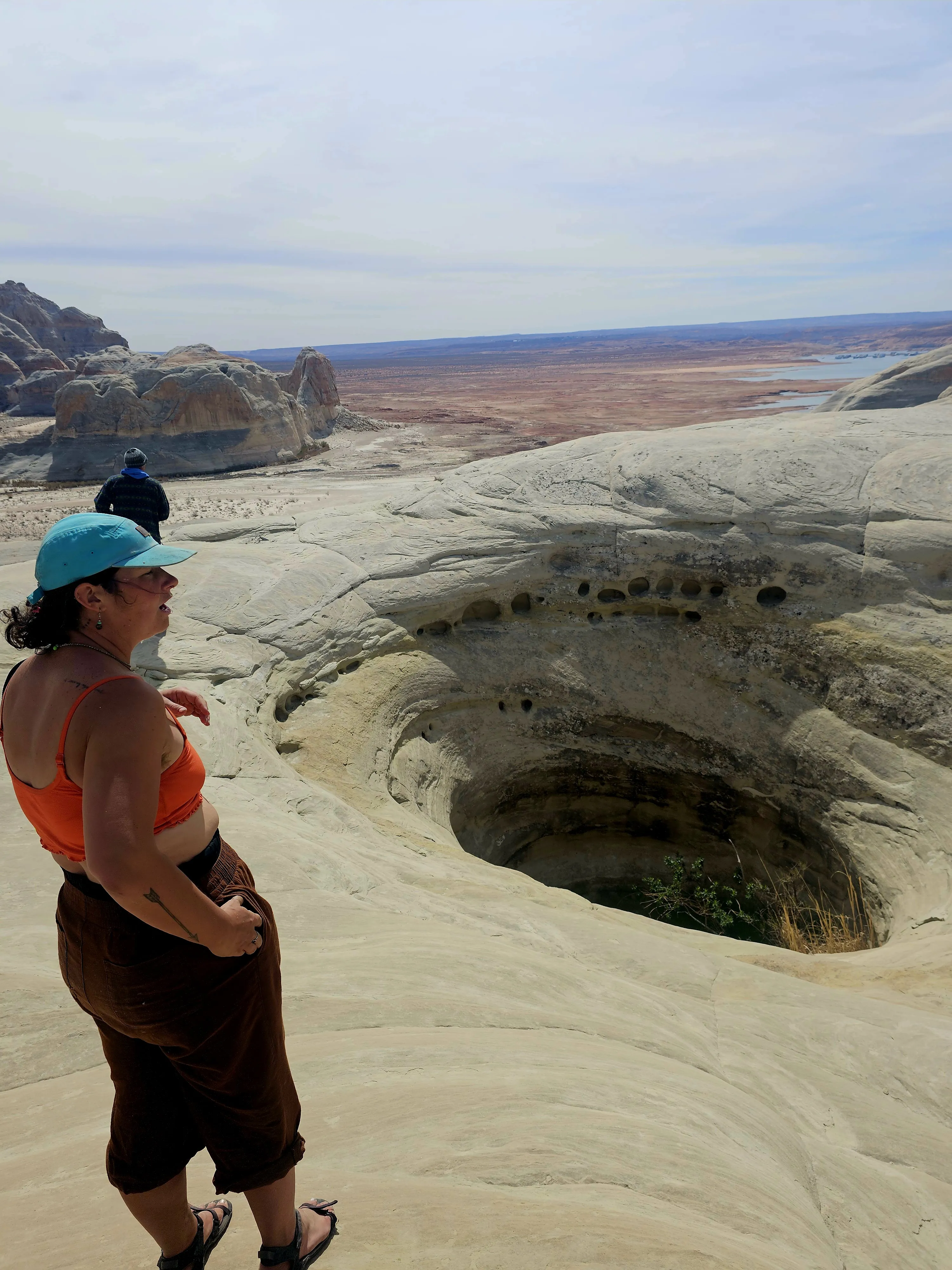
When a Guided December Trip Is the Better Call
A guided outing can be the easier winter choice for visitors who want time on Lake Powell without making every access, equipment and route decision themselves. It is especially useful for first-time paddlers, vacation groups with mixed experience and travelers who do not own cold-weather paddling gear. The focus stays on the water and canyon instead of turning the morning into a logistics project.
High Desert Paddle Co. provides the kayak, paddle, life jacket, dry bag and a practical start to the day. The real advantage in December is local route judgment: choosing an experience that suits the group, the weather and the time available rather than treating every Lake Powell day as interchangeable.
The Antelope Canyon kayak and hike is a good fit for visitors who want paddling and a guided canyon walk in one clear half-day plan. Seven Wonders of Glen Canyon works well for small groups seeking an easier private outing. Monkey Wrench is for people who genuinely want a more active paddle and are prepared for the conditions. Compare the full Lake Powell kayak tours lineup before booking so the route matches your group, not just the photo you have in mind.
The Antelope Canyon kayak and hike is a useful choice when your group wants one clear plan that combines water time with a walk among the sandstone walls.
Seven Wonders of Glen Canyon is the shorter private option for groups who would rather keep the winter day relaxed than make distance the point.
Monkey Wrench Route is the more active Lake Powell option for guests who are comfortable with a longer, more physical outing.
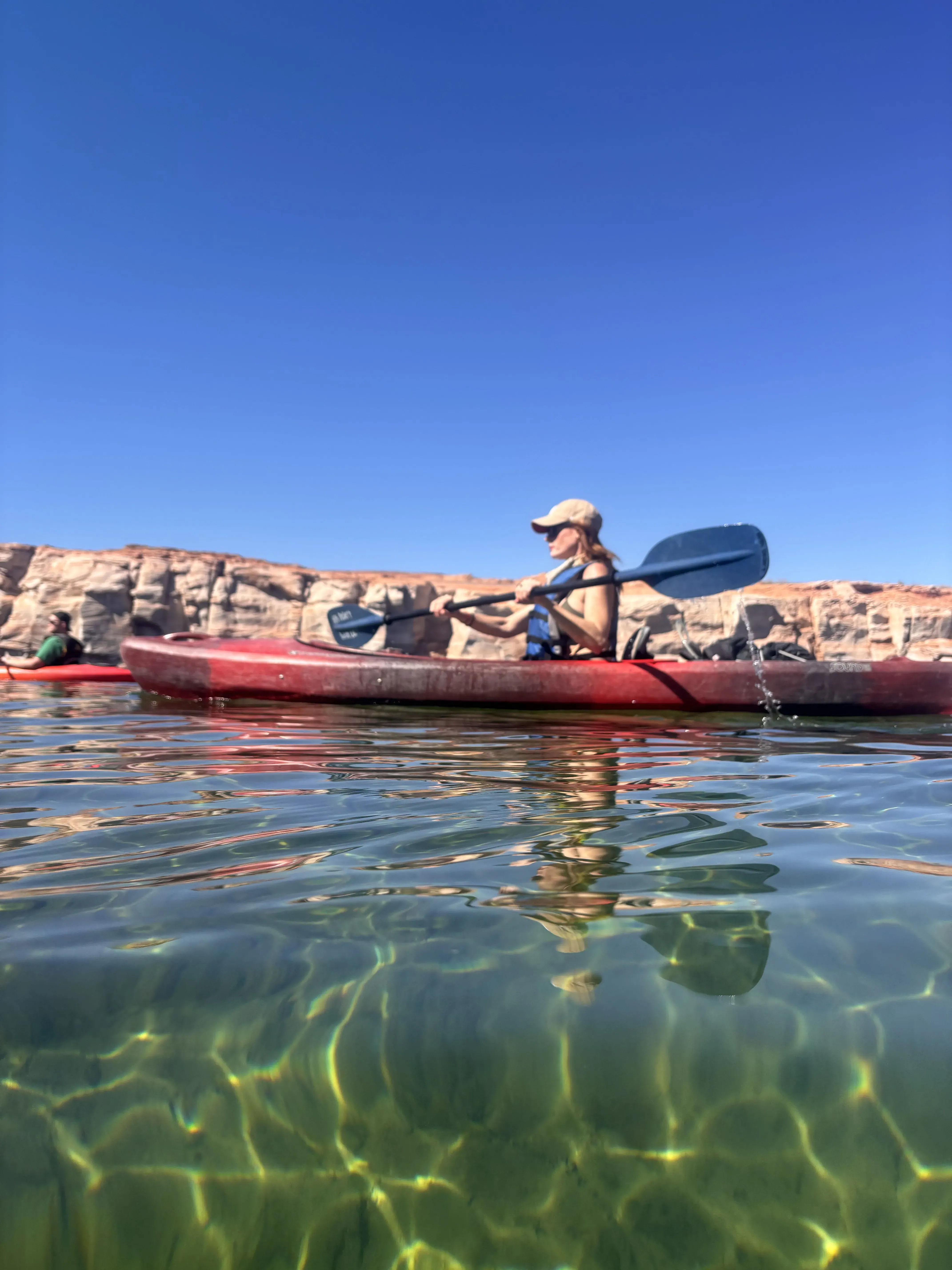
A Simple December Lake Powell Plan
The evening before, check the marine forecast, confirm the meeting or launch plan and lay out the layers you want accessible. Charge the phone, fill your water bottle and eat before you arrive. If you are paddling independently, tell someone your route and expected return time. The National Park Service recommends letting someone know where you are going and when you expect to return.
At the launch, pause long enough to notice the real conditions. Is the wind building? Does every person have a life jacket that fits? Can the group reach the warm layer in the dry bag? These small checks take minutes and prevent the sort of discomfort that makes a winter day feel longer than it needs to.
On the return, stop before the group is depleted. Change into a dry layer promptly, have a snack and leave enough room for the drive back to Page without rushing. December can offer a beautiful Lake Powell day, but it rewards people who choose comfort and margin over mileage.
How High Desert Paddle Co. Helps You Plan a Better Winter Day
High Desert Paddle Co. helps guests choose a Lake Powell experience that feels right for the day in front of them. We bring the core gear and practical guidance so travelers can enjoy the water, sandstone and quiet without guessing through every part of the plan.
For winter visitors, the best route is the one that respects the group and the conditions. If you want more context before booking, read our Lake Powell kayaking guide, explore the winter kayaking notes or use the FAQ to understand what to bring and what the trip includes. The goal is a considered day that stays memorable for the canyon and water, not for a cold final mile.
Travelers who prefer to compare pace, trip length and activity before choosing can also browse the full tours page.
Frequently asked questions
Is December a good time to visit Lake Powell?+
December can be a rewarding time to visit Lake Powell for travelers who enjoy quiet water, clear winter light and cooler conditions. It is important to plan for cold mornings, short daylight and changing wind rather than expecting summer weather.
Can you kayak Lake Powell in December?+
You can kayak Lake Powell in December when the weather, route and group experience are a good fit. Check the current marine forecast, wear a life jacket, pack warm quick-dry layers and choose a conservative route with an easy return.
What should I wear kayaking at Lake Powell in December?+
Wear quick-dry base layers, a warm insulating layer, a wind-resistant outer layer, secure water-friendly shoes and sun protection. Keep a dry warm layer in an accessible dry bag and avoid cotton, which stays cold when wet.
Is Lake Powell water cold in December?+
Lake Powell water is cold in December, and wind or wet clothing can make a group feel chilled quickly. Treat the water temperature as part of the route and clothing decision, not as a detail to check after arriving at the launch.
Which Lake Powell trip is best for a winter visit?+
The Antelope Canyon kayak and hike is a strong fit for visitors who want a guided paddle and canyon walk in one half-day plan. Seven Wonders is the easier private option, while Monkey Wrench is better for groups looking for a more active route. The best choice depends on your group's comfort and the day's conditions.