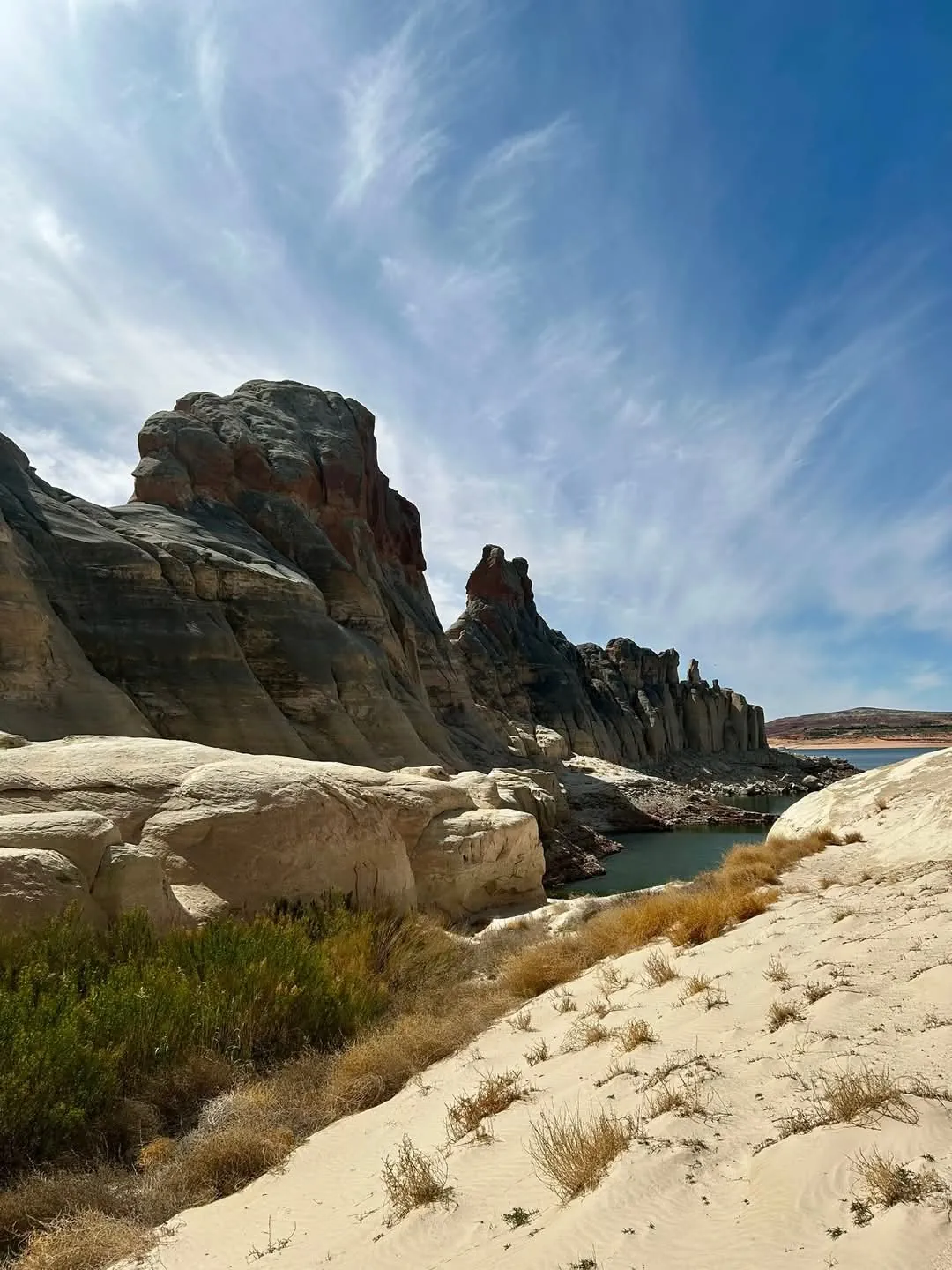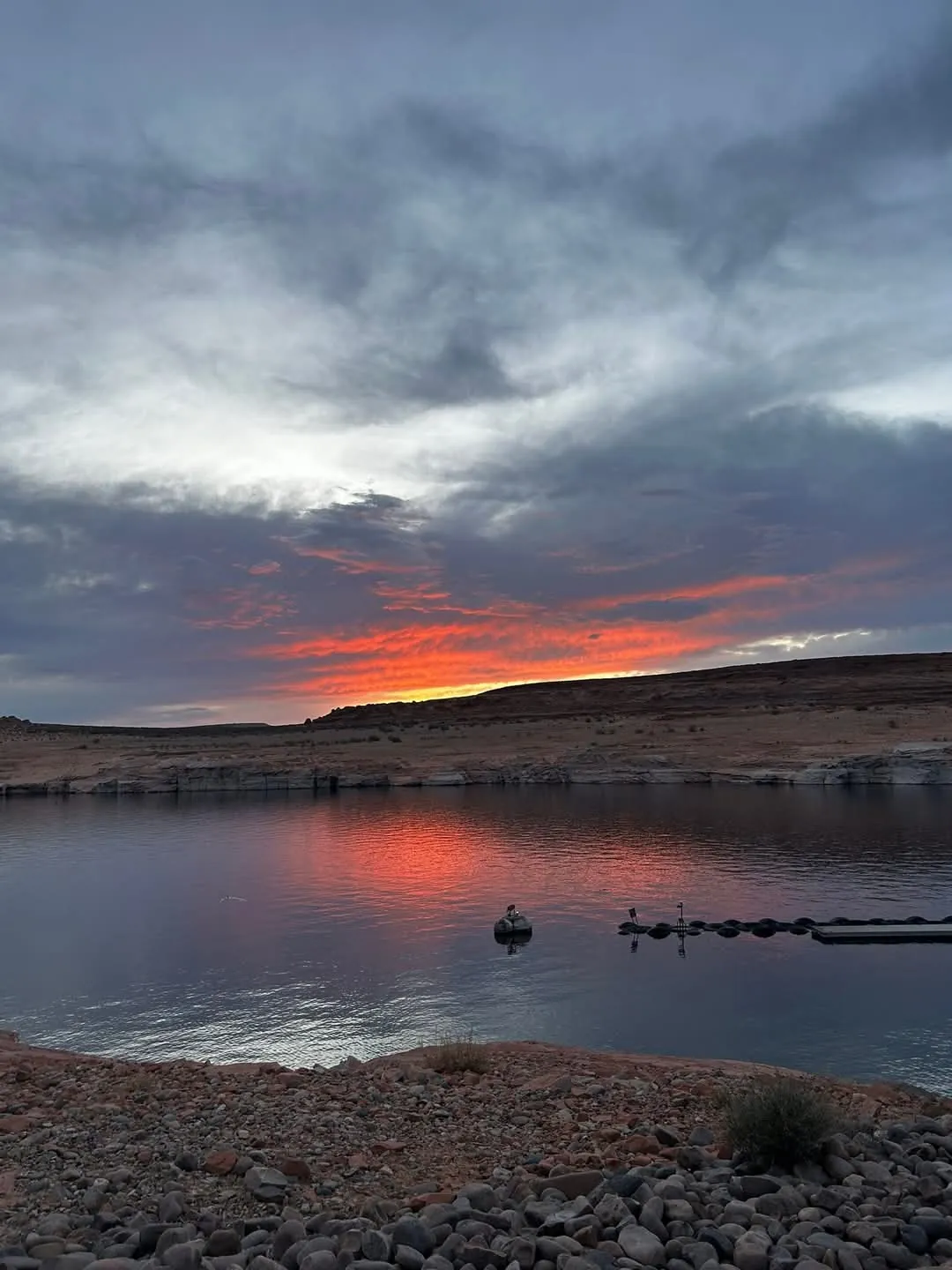
February at Lake Powell is a bridge month. The days are beginning to feel longer, the desert can be beautifully quiet and the light on the sandstone is reason enough to be outside. It is not summer, though. Mornings can start cold, shade can feel sharp and the water still deserves the kind of respect that makes a smaller, well-planned outing more enjoyable than an ambitious one.
For visitors based in Page, February can be a rewarding time to combine a lake day with hiking, viewpoints or a guided canyon walk. The best plan leaves room for the actual conditions. This guide explains what the month usually feels like, what to pack and how to decide whether kayaking belongs in the day.
What February Feels Like at Lake Powell
February usually brings a little more warmth and daylight than January, but it remains part of Glen Canyon's winter season. The National Park Service weather page is the right place to check the current forecast and historical conditions before travel. Use those numbers as a planning baseline, not a promise: sun, wind, elevation and whether you are standing on open water or in a shaded canyon can change the feel of the same afternoon.
That contrast is part of February's appeal. The lake is often quieter than in spring and summer, and a calm morning can make the canyon feel remarkably spacious. The tradeoff is that a wet sleeve, a cold breeze or a late return can make comfort disappear quickly. Plan for the coldest part of the day, not the warmest photo moment.
Check Wind and Water Conditions, Not Just the Daily High
A phone forecast for Page is a useful start, but it does not tell the whole paddling story. Wind can build across open reaches of Lake Powell, creating chop that feels very different from a calm launch ramp. Before an independent outing, check the Lake Powell marine forecast for the hours you expect to be on the water, then look again before leaving shore.
The National Park Service's kayak guidance emphasizes preparation, life jackets and choosing a route that suits the day. In February, that means favoring sheltered water, an easy turnaround point and a plan that does not require a long open-water crossing late in the day. If the lake is already rough or the breeze is building, choosing a land-based adventure is good judgment, not a lost day.
Dress for Sun, Wind and a Possible Splash
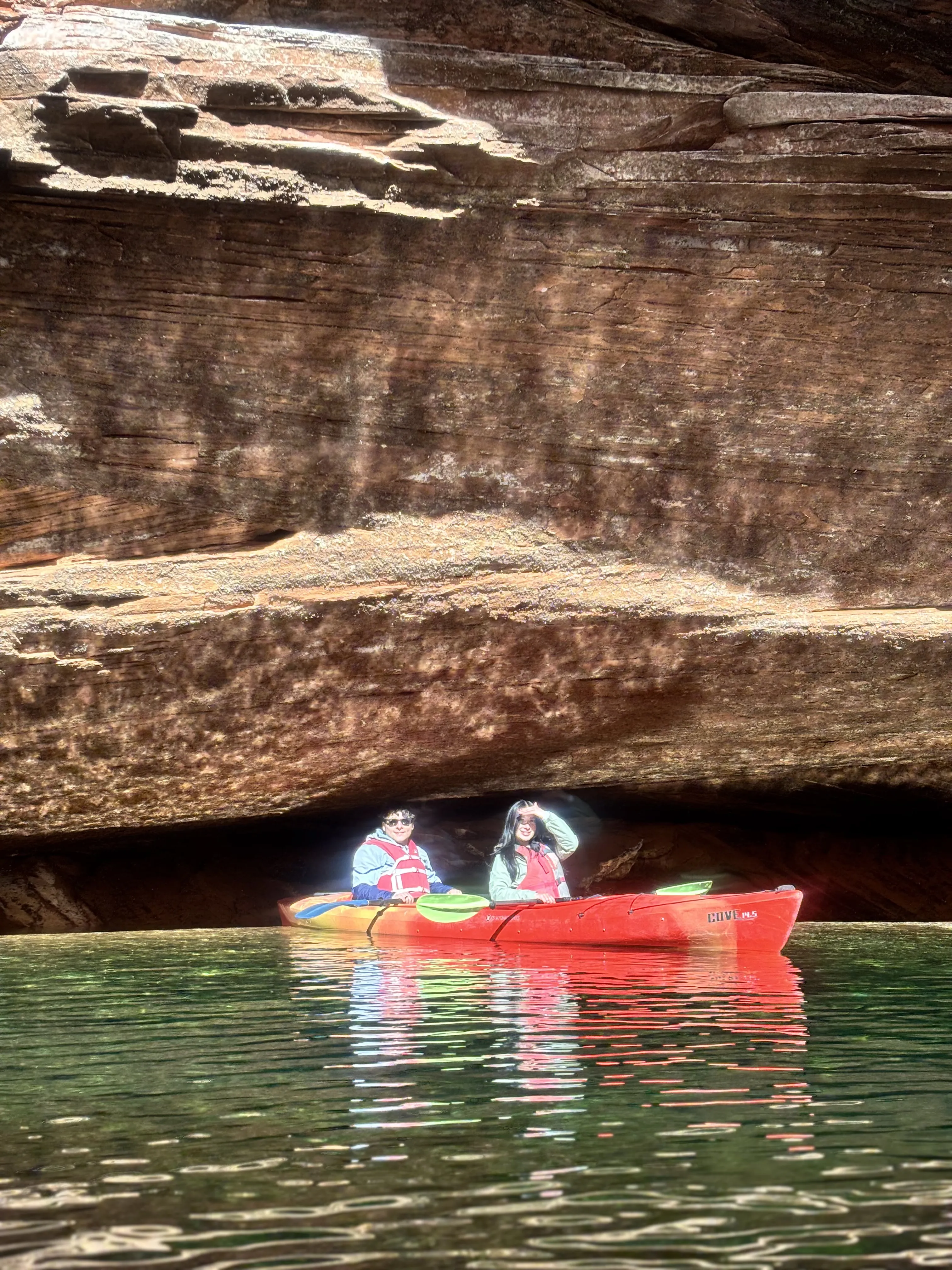
February layers should work together. Start with quick-drying clothing, add warmth you can take on and off, and bring a wind-resistant outer layer. Secure shoes matter for wet ramps, sand and sandstone. Cotton is a poor choice for a winter paddle because it stays damp and loses warmth. A warm dry layer is far more useful when it is easy to reach in a dry bag.
The desert sun can still be strong, so bring water, sunglasses, sunscreen and a hat even when the air feels cool. Our guide to what to wear kayaking at Lake Powell has a fuller clothing checklist. The goal is not to pack like an expedition. It is to make the simple things, staying warm, hydrated and comfortable, feel easy all day.
Choose a February Route With Margin
A good February route is usually shorter than your best-case plan. Stay close enough to shore that a change of weather does not turn the return into a test. Keep the group together, leave time to add a layer or take a break, and turn back while everyone still has energy. A modest paddle with time to look around is a better memory than reaching a distant point and rushing home cold.
Lake levels can also shape the practical side of a day. The walk from ramp to water, the best place to launch and the shoreline itself can change. Check current lake-level information near your travel date, wear footwear that can handle the approach and do not assume an older video shows today's access.
Build a Simple February Dry Bag
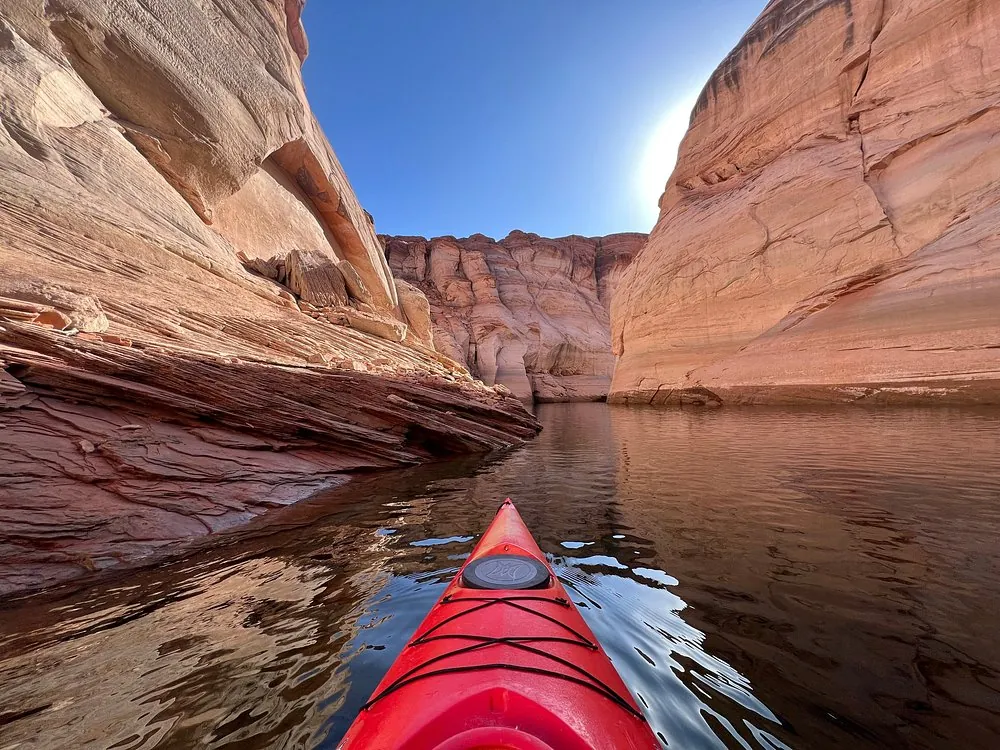
Keep the items that restore comfort near the top: a dry insulating layer, wind shell, water, snack, phone protection, basic first aid and any needed medication. Bring more water than the cool air suggests. Dry desert air and steady paddling can dehydrate people even when no one feels hot. Leave a complete dry change of clothes in the vehicle for the return.
A dry bag is not useful because it holds everything. It is useful because it lets you find the layer you need before someone is chilled. If your plan involves more distance, colder water or a group with mixed experience, build a larger safety margin or choose a guided outing that keeps the practical decisions straightforward.
When a Guided Paddle Is the Better February Choice
A guided outing can be the easier choice for visitors who want Lake Powell without turning a vacation morning into a route, gear and launch-access project. It is particularly helpful for first-time paddlers, groups with different confidence levels and travelers who do not own winter-capable clothing or boats. You still get a real paddle, but the day starts with a clearer plan.
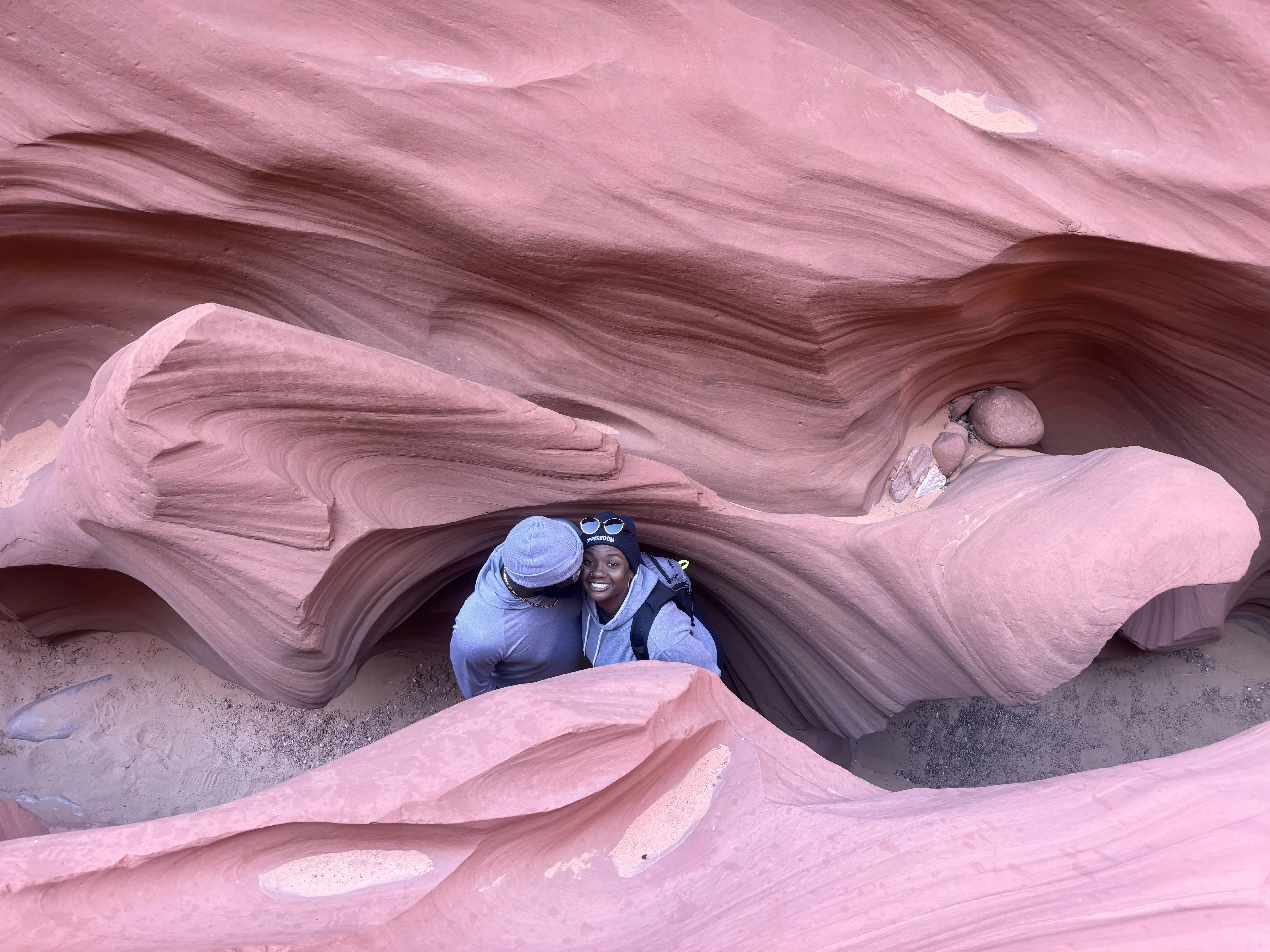
High Desert Paddle Co. provides the kayak, paddle, life jacket, dry bag and a practical briefing before launch. The Antelope Canyon kayak and hike is a strong fit for guests who want water and a guided canyon walk in one half-day plan. Seven Wonders is the gentler private option for a group that would rather keep the pace relaxed.
A February Decision Checklist
The evening before, check the water forecast, lay out layers and confirm the day's meeting or launch plan. At the water, pause before launching. Is the wind stronger than expected? Does everyone have a life jacket that fits? Can each person reach a warm layer? Is the route sensible for the available light and the people in the group? Those checks are easy on shore and much harder halfway through a crossing.
On the return, stop before the group is depleted. Change into dry clothes promptly, have a snack and leave enough time for the drive back to Page without a rush. February rewards visitors who choose comfort and flexibility over mileage. When the weather, route and group fit each other, the lake can feel wonderfully quiet.
How High Desert Paddle Co. Helps
High Desert Paddle Co. helps visitors choose a Lake Powell day that feels right for the season rather than forcing a summer idea into a winter month. The priority is a thoughtful route, core gear and room to enjoy the water and sandstone without guessing through every logistical detail.
If you are deciding whether a February paddle suits your group, begin with the Lake Powell kayak tour options and the FAQ. A great winter lake day is not about proving how much distance you can cover. It is about leaving with the canyon, the water and the quiet still feeling like the best parts of the day.
Frequently asked questions
Is February a good time to visit Lake Powell?+
February can be a rewarding time for travelers who enjoy quiet water, crisp desert light and fewer crowds. Plan for cold mornings, changing wind and water that is still cold, then choose a route and activity level that match the day.
Can you kayak Lake Powell in February?+
You can kayak Lake Powell in February when the forecast, route and group experience are a good fit. Check the current marine forecast, wear a life jacket, dress in quick-dry layers and keep the route conservative.
What should I wear kayaking at Lake Powell in February?+
Wear quick-dry layers, a warm insulating layer, a wind-resistant outer layer, secure water-friendly shoes and sun protection. Keep a dry warm layer accessible in a dry bag and avoid cotton because it stays cold when wet.
Is Lake Powell water cold in February?+
Lake Powell water is cold in February. Wind, shade and wet clothing can make a group feel chilled quickly, so treat water temperature as part of the clothing and route decision, not a detail to consider after arriving at the launch.
Which Lake Powell trip is best in February?+
The Antelope Canyon kayak and hike works well for visitors who want a guided paddle and canyon walk in one clear half-day plan. Seven Wonders is the easier private option. The right choice depends on the group's comfort and the day's conditions.