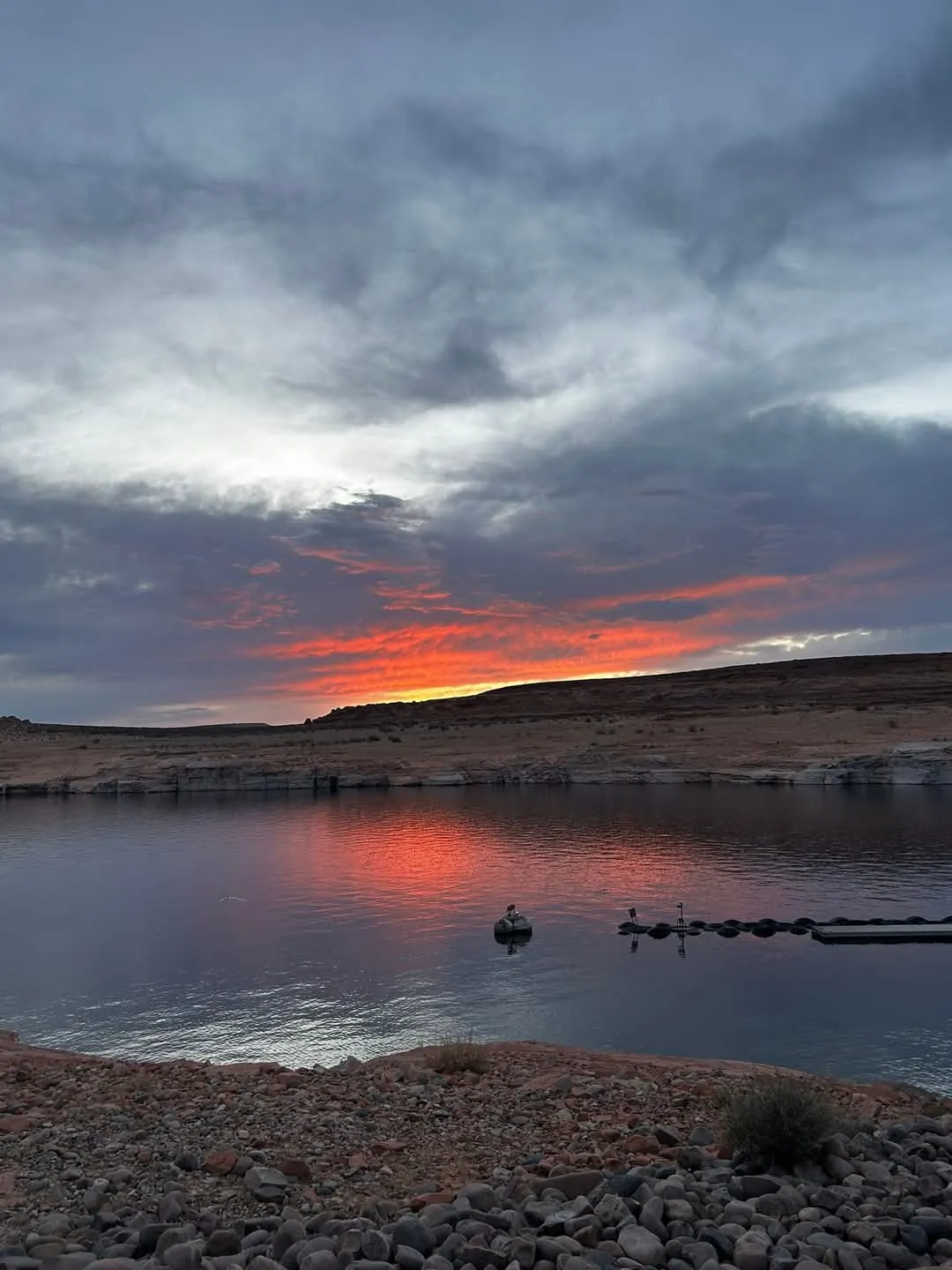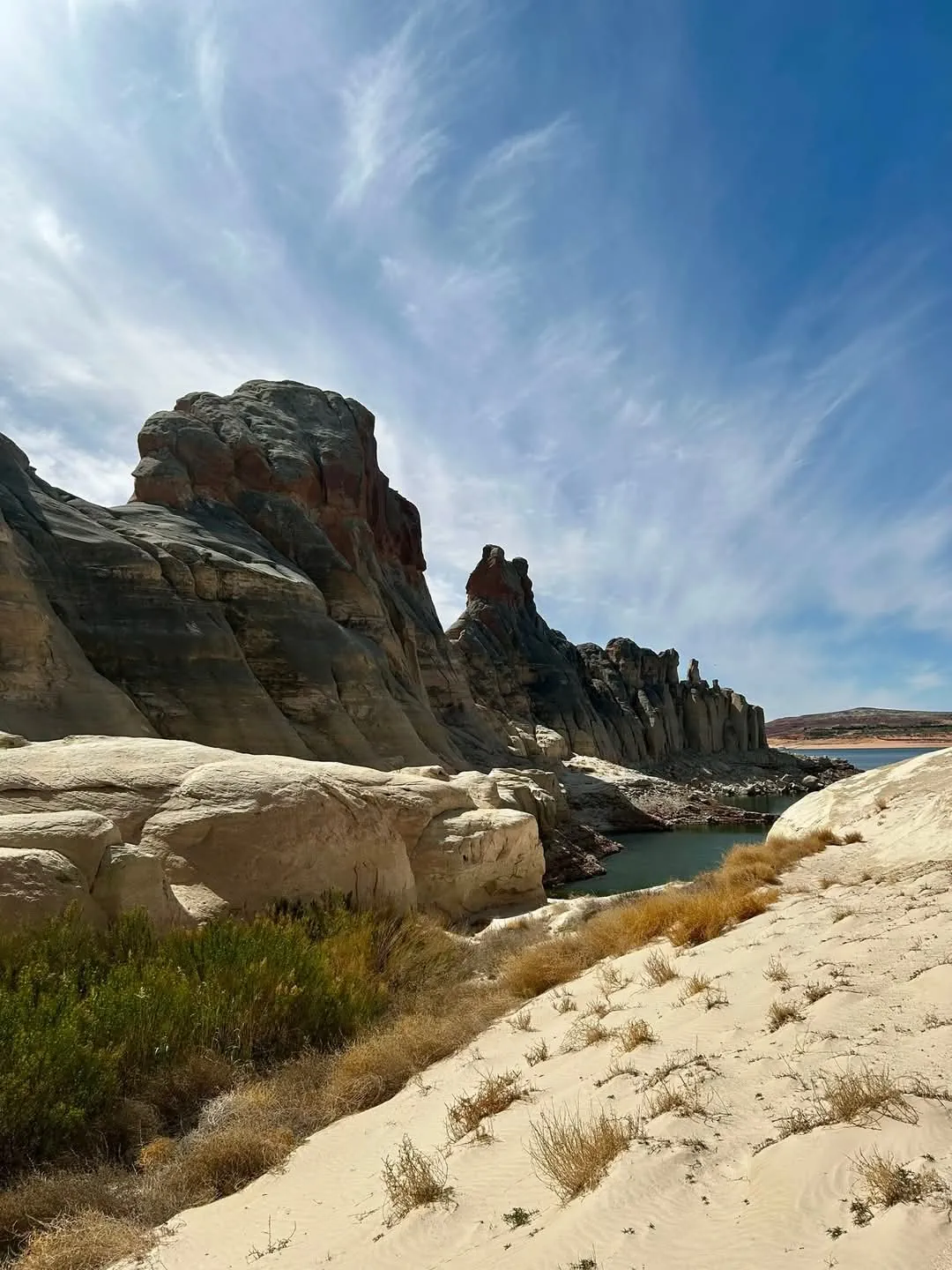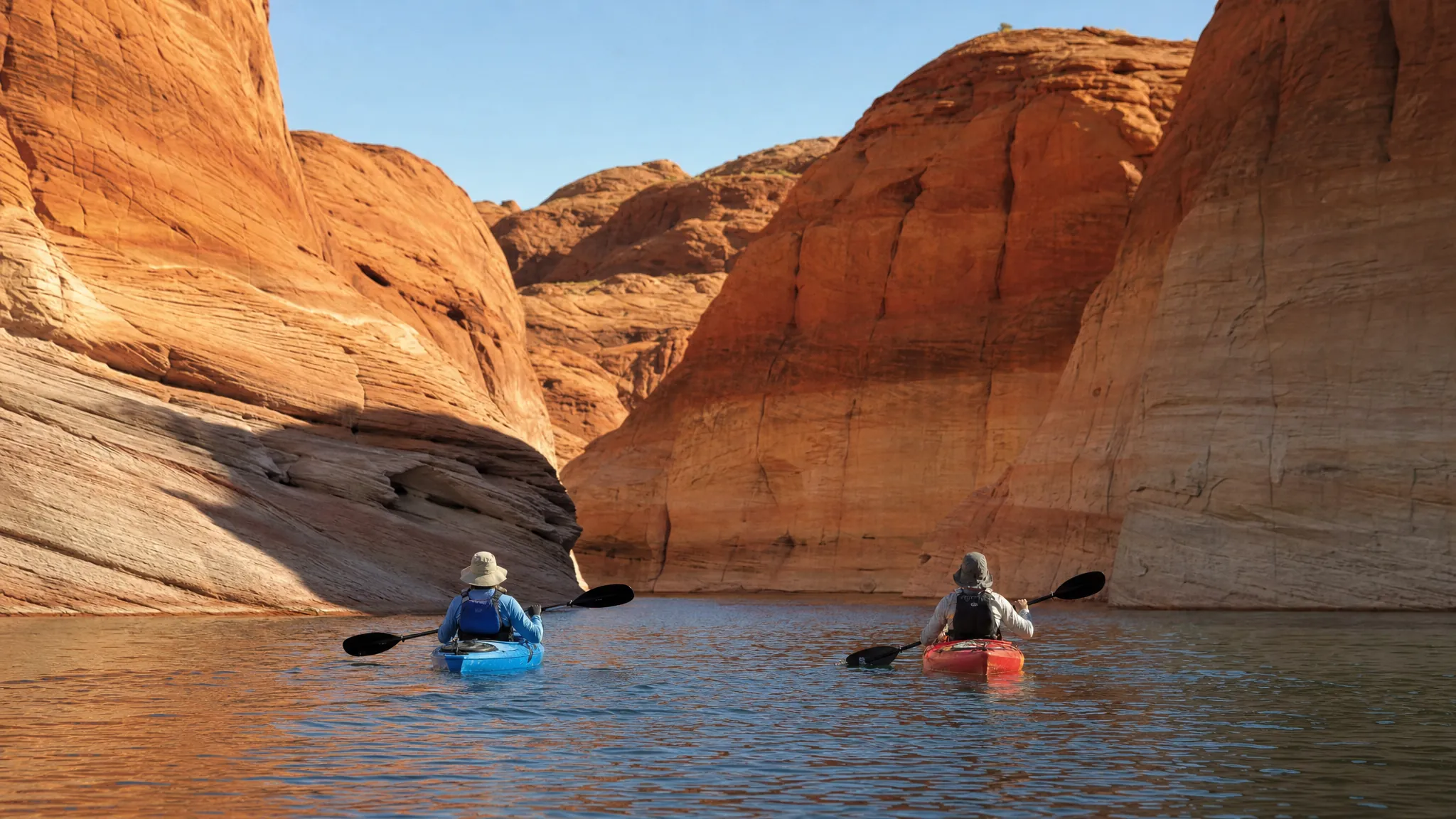
Yes, you can kayak Antelope Canyon from Lake Powell. For many visitors, it is the most active way to experience the canyon landscape: you start on open water, paddle into narrowing sandstone walls, then continue on foot when the water ends.
It is also easy to get the details tangled. The kayak route is not the same thing as a walk through the famous Upper or Lower Antelope Canyon slot-canyon tours. It is its own Lake Powell adventure, with changing water levels, weather, a real paddle and a hike that can change with conditions.
That is exactly why it is worth planning with clear expectations. This guide explains what the kayak-and-hike day feels like, whether it works for beginners and how to decide between a guided trip and going independently.
The Short Answer: Yes, From Lake Powell
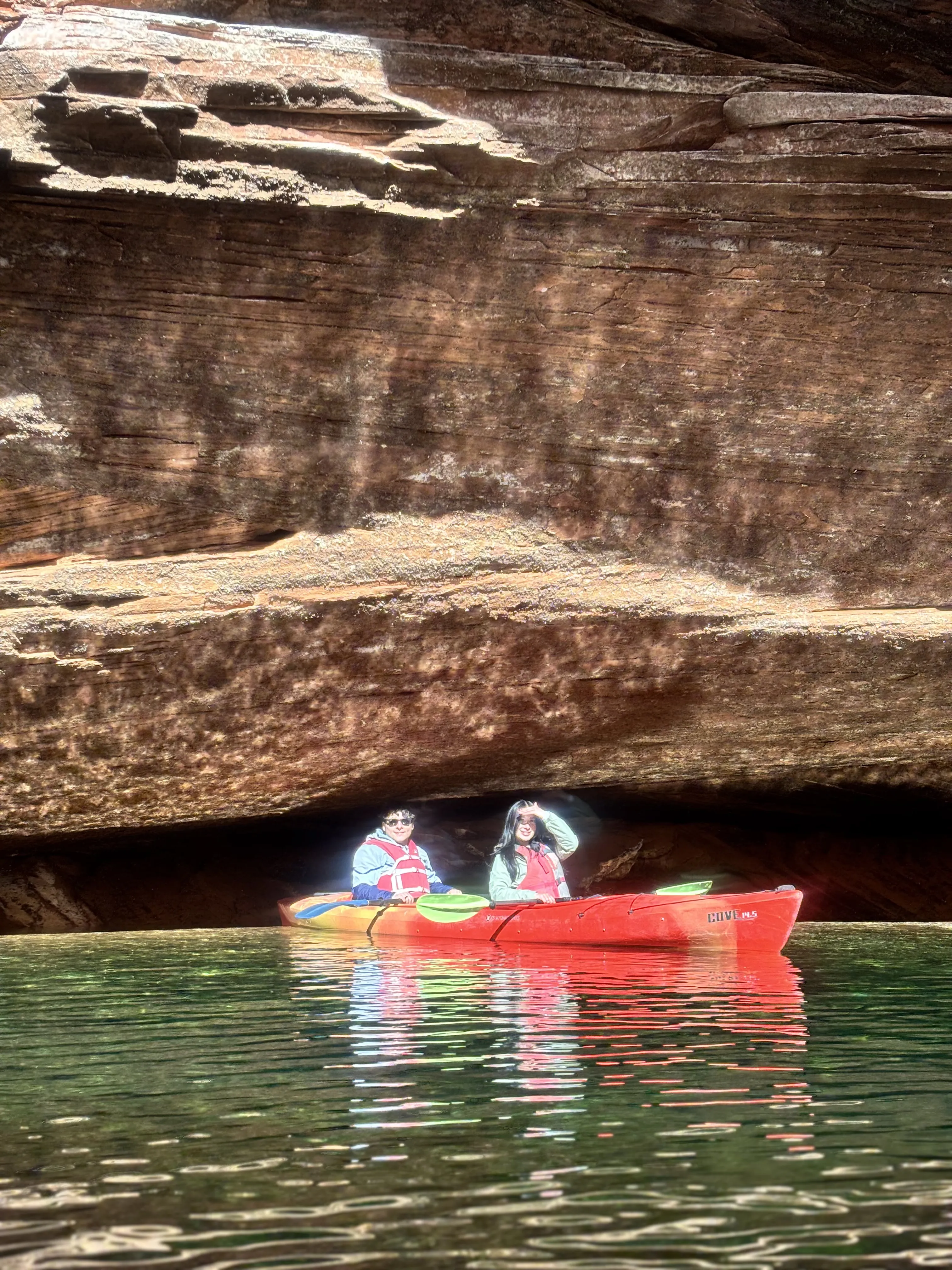
The paddle route begins at the Lake Powell side of Antelope Canyon, near Antelope Point. From there, the route follows the water toward Antelope Creek and the canyon walls. As the route changes from open lake to canyon, the scenery becomes the point: reflected sandstone, quieter water and a view that is impossible to get from the roadside.
The key distinction is that paddling into the Antelope Canyon area does not grant access to every named slot canyon nearby. Upper and Lower Antelope Canyon are distinct experiences on Navajo Nation land, with their own guided-tour requirements. The Navajo Nation asks visitors to stay on designated routes and respect the permits and rules that protect these places.
A guided Antelope Canyon kayak and hike gives you a straightforward version of the Lake Powell route: the boat, paddle, life jacket, dry bag, route plan and an experienced guide are already handled. You still get the work and wonder of a paddle; you just do not need to turn your vacation morning into a logistics project.
What the Kayak-and-Hike Day Is Actually Like
This is not a quick photo stop. Expect a proper half-day outing with a safety briefing, time on the water and a walk beyond the kayak. High Desert Paddle Co.'s Antelope Canyon trip is about four hours, with roughly five miles of round-trip paddling and a 1.5-mile guided hike. The exact walking distance can vary with water level and route conditions.
The pace matters more than trying to win a race across the lake. A good day leaves time to learn the basic strokes, settle into the kayak, notice the shoreline and take breaks when the group needs them. Once the water becomes too shallow to continue, the group parks the kayaks and walks farther into the canyon.
That combination is why the experience feels different from a standard sightseeing tour. You arrive under your own power, then see how the water, rock and trail connect. It is active without needing to be an endurance event.
The route is also not a fixed indoor attraction. Lake levels, wind and recent weather can change where the paddle becomes a walk. That changing edge between water and trail is part of what makes the day memorable, but it is also why responsible guides describe the route honestly instead of promising the same photo from every season. Think of the route as a living landscape, not a theme-park schedule.
Can Beginners Kayak Antelope Canyon?
Yes, beginners can be a good fit when they choose an appropriate trip, listen to the safety briefing and are honest about their comfort on the water. You do not need prior kayaking experience to join our Antelope Canyon route. You do need to be ready to sit and paddle for several hours, follow guide instructions and take part in a short hike on uneven natural ground.
A beginner-friendly kayak is stable, but stability is not the same as ignoring conditions. Wind can turn calm-looking water choppy, heat can drain energy quickly and a rocky shoreline deserves more attention than a hotel pool deck. The National Park Service's kayaking guidance is a useful reminder that a properly fitted life jacket and a weather-aware plan are part of every Lake Powell paddle.
If you are travelling with younger children, have mobility concerns or simply want the easiest private day available, compare the full tour line-up before booking. The Seven Wonders route is the shortest, easiest private option, while the Monkey Wrench route is better for guests who want a more active outing.
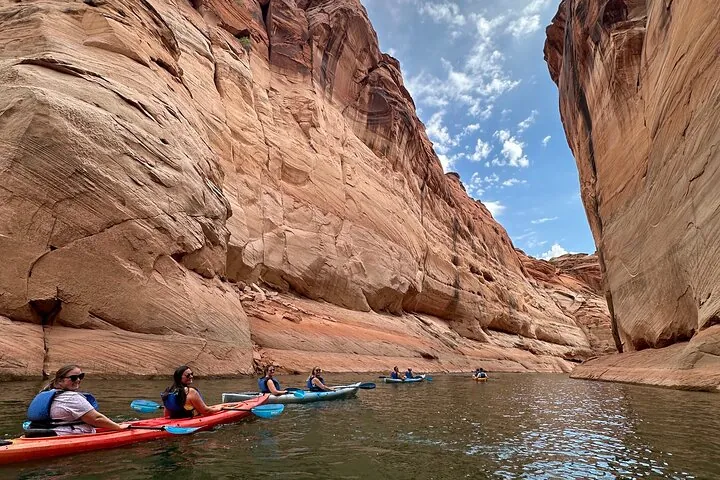
Choose Your Timing Around Conditions, Not Just Your Calendar
The best time of day is the one that gives your group safe, comfortable conditions. Morning often feels gentler in the heat, and it can be a calmer time on the water, but no hour comes with a guarantee. Check the forecast shortly before departure and let the guide adjust the plan when wind, storms or heat change the equation.
Summer brings intense sun and temperatures that can climb into the triple digits around Lake Powell. The National Park Service's local weather guidance is worth reading before a warm-season paddle. Bring water you will actually drink, cover your skin, wear a hat that stays put and do not assume a canyon wall will provide shade for the entire day.
Spring and fall can bring cooler starts and stronger temperature swings. Winter can be beautifully quiet, but it calls for intentional layers and a dry change of clothes. Our winter kayaking guide has a practical checklist for cooler-season guests.
Prepare for the Day Before You Reach the Launch
A smooth trip starts the evening before. Confirm your meeting time, charge your phone and camera, fill your water bottle, set aside clothes that can handle splash and leave valuables you do not need at the hotel. If you are bringing a camera, decide how it will be protected before you are standing beside the water with a paddle in one hand. Arrive a few minutes early so the safety briefing begins without a rushed start.
Eat a normal breakfast or bring a snack that will not melt into a mess in the dry bag. There is no prize for treating a half-day paddle like a survival test. A little food, water and sun protection help you stay patient when you are learning a new stroke or waiting while the group regroups.
Tell your guide about anything that could affect your day: a past shoulder injury, a tendency to feel cold, medication that needs to stay with you or a concern about the hike. Good guides would rather know early, when there is room to make useful choices, than after a small discomfort becomes the only thing you remember about the canyon.
What to Wear and Bring
Pack for the paddle first, then the hike. Lightweight quick-dry clothes, secure water-ready shoes, a long-sleeve sun shirt, sunglasses with a strap and a brimmed hat make more sense than heavy cotton, loose flip-flops or anything you would be unhappy to get wet.
Keep water, sunscreen, medication and a small snack easy to reach in the dry bag. Put phones, cameras and keys inside a protective pouch before they go in the bag. Bring a wind layer and a dry change of clothes in the car, even on a warm day. They take almost no planning and make the end of the trip much more comfortable.
For a fuller Lake Powell-specific packing list, use our guide to what to wear kayaking at Lake Powell. It covers footwear, sun protection, seasonal layers and the small items that are easy to forget until you need them.
Should You Go Guided or Paddle Independently?
Independent paddling can suit experienced visitors who already have dependable equipment, understand local launch logistics, know how to read the weather and are prepared to make conservative decisions when the lake changes. It also means you are responsible for every detail: getting the right boat, confirming access, fitting safety gear, carrying water, choosing a turnaround point and keeping the group together.
A guided trip is the better fit when you want your first Lake Powell paddle to feel confident rather than improvised. Your guide covers the boat setup, technique, route and local judgment, while you focus on the experience. That is especially useful for visitors who are new to kayaking, short on trip-planning time or unsure how the water-level-dependent hike will work.
Neither approach is automatically better for every person. The right question is whether you want to spend your energy arranging the day or actually enjoying it. If you want the latter, the guided Lake Powell kayak tours page makes it easy to compare a scheduled Antelope Canyon trip with private options.
When It Is Better to Choose Another Plan
A kayak-and-hike day is not the right choice when conditions are unsafe, when someone in your group cannot comfortably manage the activity or when the forecast makes the water a poor place to be. Changing the plan is not missing out. It is the right call when it protects the group and leaves room to enjoy Lake Powell another day.
Be realistic about your group. A visitor who wants a calm, scenic experience but has not paddled before may still enjoy the Antelope Canyon route with guidance. Someone who wants minimal physical activity, has limited time or is uncertain about uneven ground may be happier with a different outing or a route shaped around a slower pace.
The easiest way to avoid disappointment is to ask what the day requires before booking, not after launch. A straightforward conversation is more useful than trying to make every adventure fit every traveller.
Book the Route That Matches Your Day
The Antelope Canyon kayak and hike is the right choice for visitors who want the signature paddle-and-walk experience, are comfortable being active for a half day and want guidance from launch to canyon. It is approachable for first-time paddlers, but it still feels like a real adventure.
Before you book, read the trip details, wear the right layers and ask questions that matter to your group. Our FAQ covers common planning questions, and the full tours page makes it simple to compare the route with the easier and more active private options.
The canyon is better when you arrive prepared enough to slow down and notice it. That is the real reason to make the plan before launch. The best photographs usually come after you stop trying to chase them, when everyone has settled into the quiet rhythm of the water.
You do not need to turn into an expert before you come. You only need the right expectation: this is a real day outside, shaped by water, weather and movement. With a sensible plan, it becomes the kind of Lake Powell memory that keeps visitors talking about the quiet parts as much as the big views. Start prepared, stay flexible and let the landscape set the pace.
Frequently asked questions
Can you kayak to Antelope Canyon without a tour?+
Some experienced visitors choose to paddle independently, but they are responsible for equipment, conditions, route decisions and local access requirements. A guided trip is an easier option for visitors who want a boat, safety gear, instruction and route knowledge included.
Is kayaking Antelope Canyon hard?+
The route is manageable for many first-time paddlers, but it is an active half-day outing. You should be comfortable sitting and paddling for several hours, following safety instructions and walking on uneven natural terrain.
How long does it take to kayak Antelope Canyon?+
High Desert Paddle Co.'s guided Antelope Canyon kayak and hike is about four hours. It includes roughly five miles of round-trip paddling and a 1.5-mile hike, though the hike can change with water level and conditions.
Do you need a guide to hike Upper or Lower Antelope Canyon?+
Upper and Lower Antelope Canyon are separate from the Lake Powell paddle route and have their own guided-tour requirements. Check the current rules with the authorised local operator before making plans.
What should I bring for an Antelope Canyon kayak trip?+
Bring water, sun protection, quick-dry clothing, secure water-ready shoes, a light wind layer, personal medication and a dry change of clothes. Keep your phone, keys and camera protected in a dry bag.